
Mapping Honor: How Advanced Battlefield Technologies Transform Historical Site Documentation
Forget the old ways of searching for answers on battlefields. Today’s battlefield technology—like LiDAR mapping, ground penetrating radar, UAV drones, photogrammetry, and GIS mapping—is reshaping how we document and honor potential historical sites. At Tours of Duty, veterans lead this mission with ethical field methods, blending archival research and data fusion to preserve history and support Gold Star families. Your support helps train veterans and fuels this vital work to keep America’s promise: No Man Left Behind. For more insights on the importance of battlefield archaeology, you can explore this resource: https://www.battlefields.org/learn/articles/importance-battlefield-archaeology.
Battlefield Technologies in Historical Research
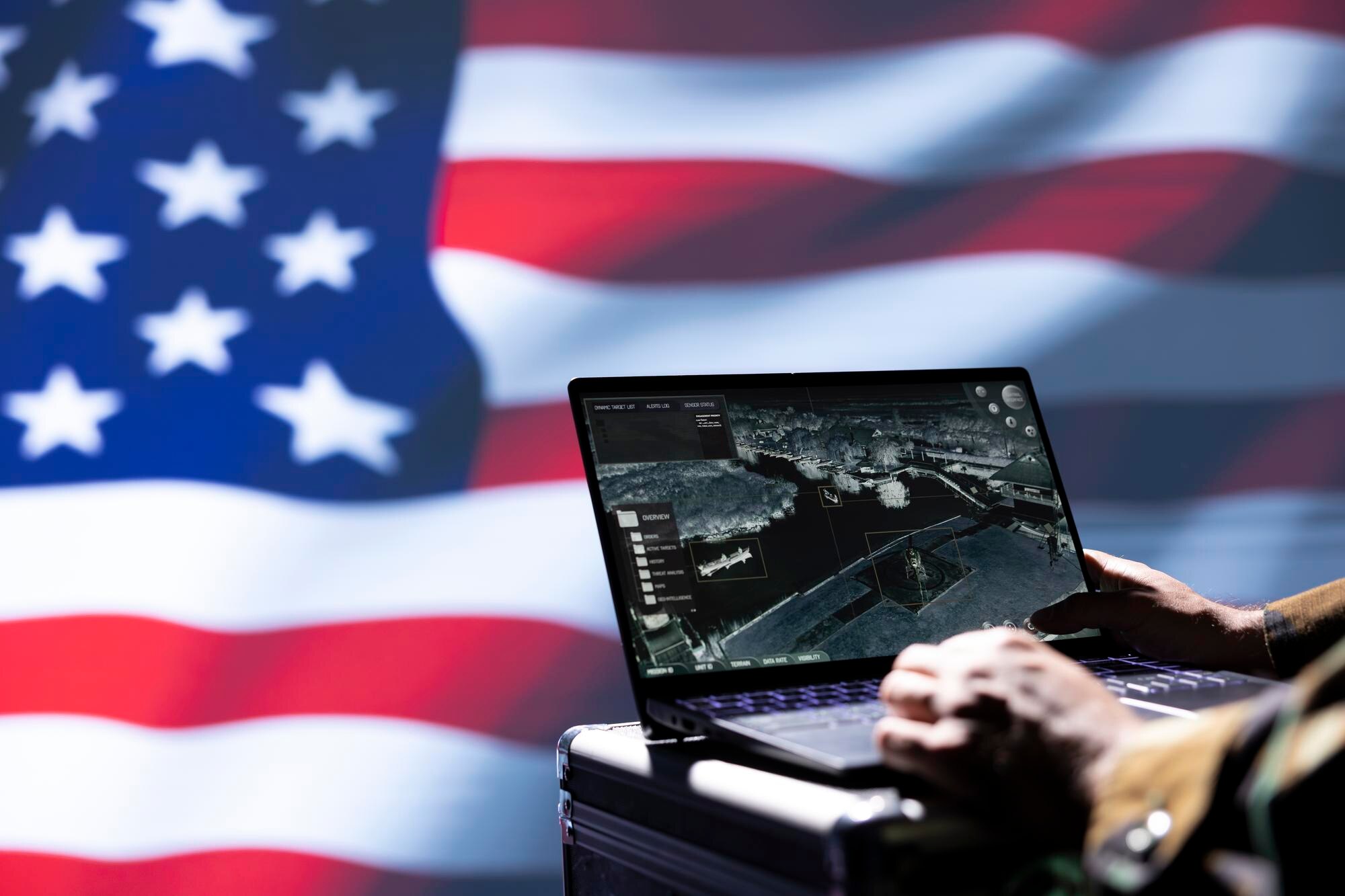
Let’s traverse the landscape of cutting-edge tools reshaping our understanding of history. These technologies offer new ways to uncover stories of bravery and sacrifice.
LiDAR Mapping and GPR Insights
LiDAR mapping has become a game-changer in historical site documentation. By using laser technology, it scans vast areas, revealing hidden landscapes. This allows us to capture intricate details of battlefields without disturbing the ground. Ground Penetrating Radar (GPR) complements this by peering beneath the surface. It detects buried objects and structures, giving a clearer picture of historical events.
For example, in areas like Southeast Asia, these tools help identify potential sites of interest, bringing us closer to understanding and honoring those who served. Here’s the key insight: Together, LiDAR and GPR paint a more complete picture of our past.
Through these technologies, we preserve history with respect and accuracy, keeping the promise to never forget. Most people think traditional methods suffice, but this advanced approach transforms our capabilities.
UAV Drones and Photogrammetry
The skies hold answers too. UAV drones provide a bird’s-eye view of historical sites, offering perspectives once out of reach. By flying over areas of interest, drones capture high-resolution images that aid in mapping and analysis.
Photogrammetry then steps in. This technique stitches together images to create detailed 3D models of landscapes. These models help us visualize battlefields as they once were, bringing history back to life. Imagine the impact of seeing a site exactly as it stood during a pivotal moment in history.
By integrating drones and photogrammetry, we enhance our understanding and documentation efforts. This blend of technology ensures we honor the stories and sacrifices etched into these lands. Remember, the longer you wait to embrace these tools, the more history slips away.
GIS Mapping and Archival Research
GIS mapping serves as a digital canvas, layering various data points to create a comprehensive view of historical sites. It integrates information from LiDAR, GPR, and drones to form a holistic picture.
But technology alone isn’t enough. Archival research provides the context and narratives that GIS maps display. By delving into records and accounts, we connect the dots between data and history. This method respects both the past’s stories and the present’s technological advancements.
When you combine GIS mapping with archival research, the result is a detailed, respectful portrayal of historical events. This approach not only preserves history but also guides future expeditions. It’s a testament to what technology and tradition can achieve together.
Veterans and Families at the Heart
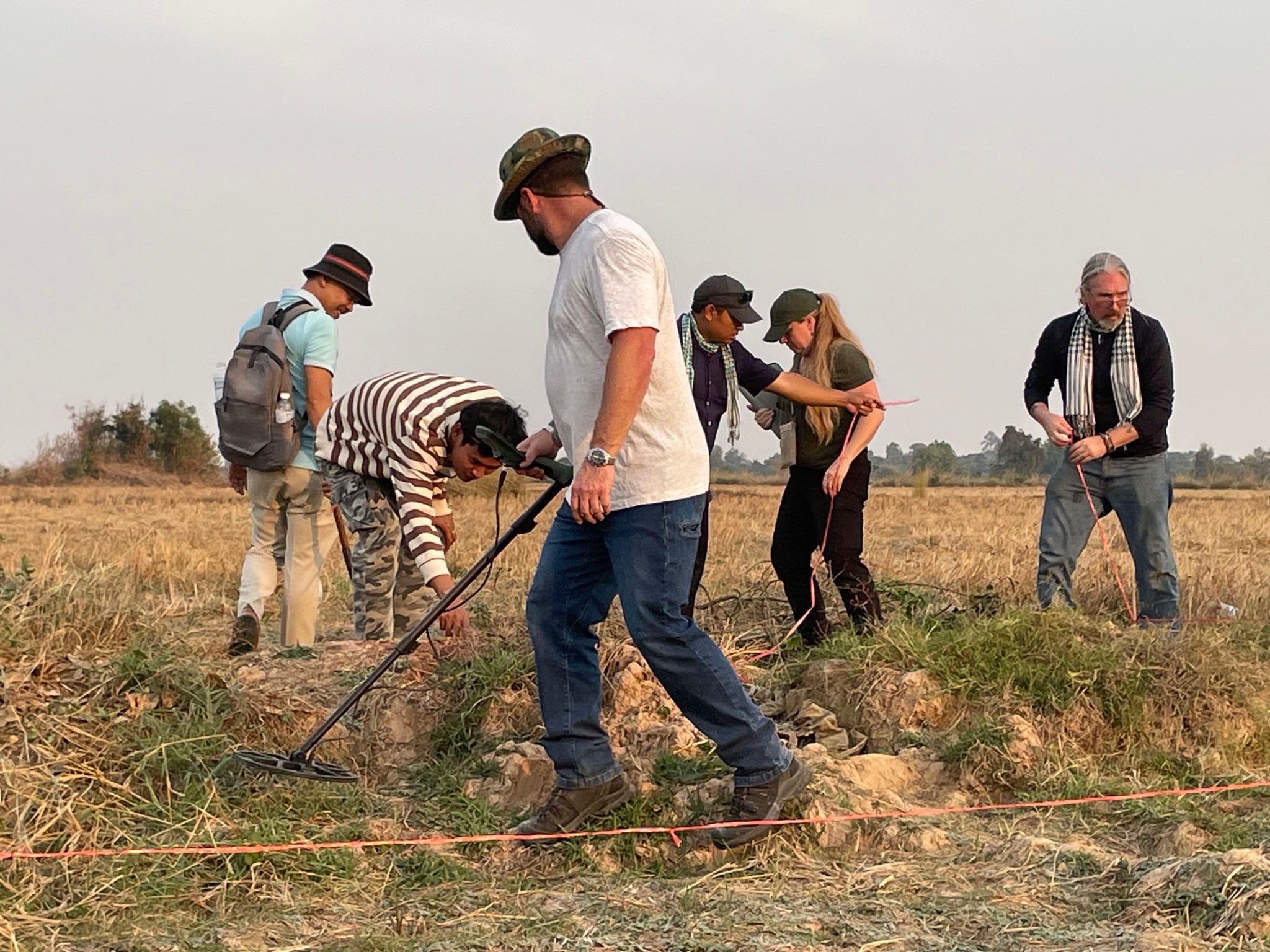
Veterans and families breathe life into our mission, fueling our drive to honor those who served. Their stories and experiences illuminate our path.
Training Pipeline for Veterans
At the core of our mission is empowering veterans through specialized training. We equip them with skills in advanced technologies like UAVs and LiDAR. This training reignites their sense of purpose, connecting them to a mission larger than themselves.
Veterans learn to operate cutting-edge equipment, transforming them into skilled field operators. This not only benefits our historical documentation efforts but also provides veterans with new career opportunities. Imagine a veteran, once lost in civilian life, now leading a mission to preserve history. It’s powerful.
Here’s the key insight: Veterans bring invaluable experience to humanitarian missions, and our training empowers them to make a difference while finding renewed purpose.
Gold Star Family Integration
Gold Star families are central to our mission, their stories woven into the fabric of our work. These families, who have sacrificed so much, deserve answers and closure. By involving them in our missions, we honor their loved ones in meaningful ways.
Families contribute invaluable insights and historical knowledge, guiding our research and documentation efforts. This collaboration ensures that their loved ones’ stories are told with accuracy and respect. Most people think these families are just passive recipients of our work, but their involvement is crucial.
By integrating Gold Star families, we create a community of healing and remembrance. Together, we uphold our nation’s promise to leave no one behind.
Supporting the Mission
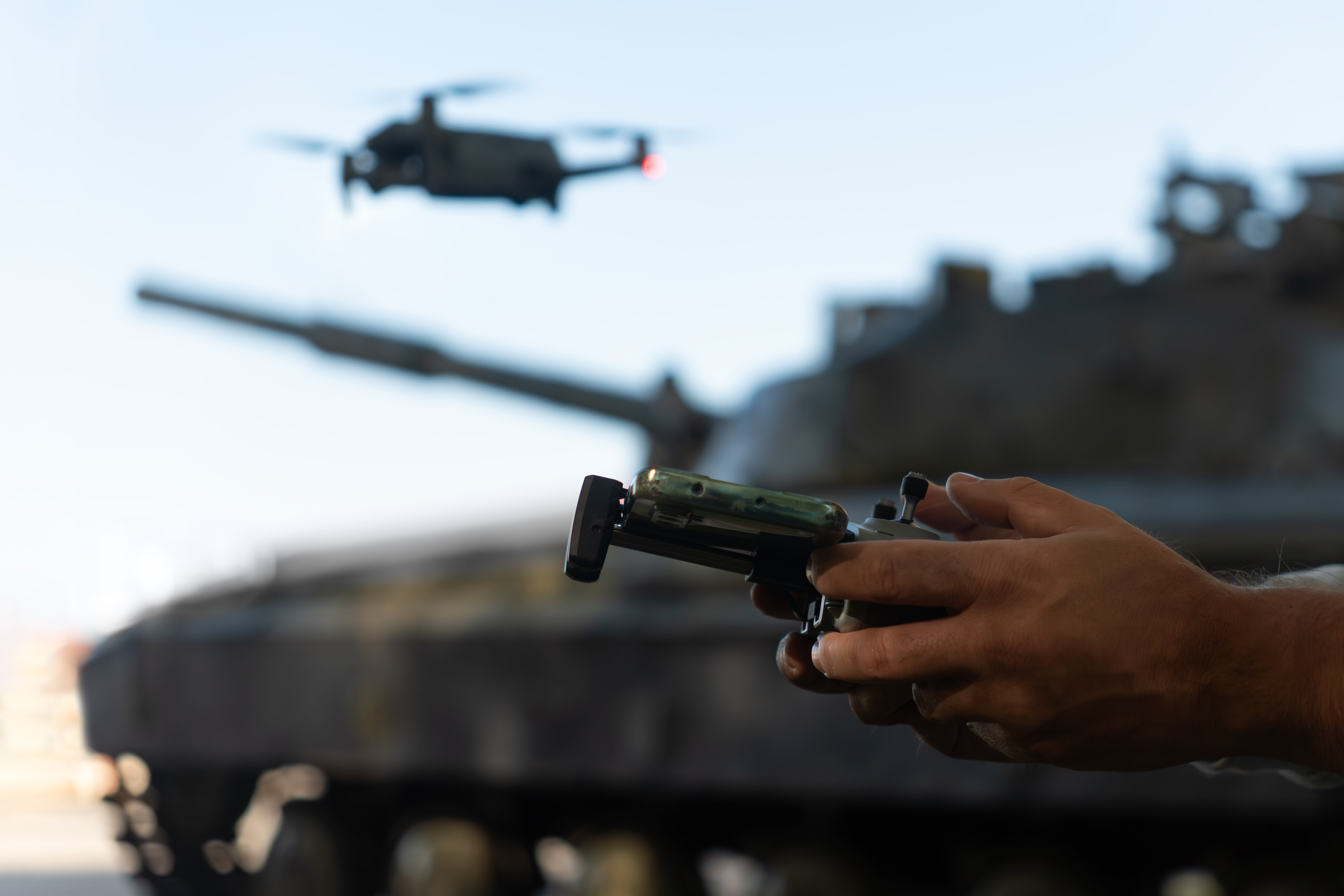
A commitment to ethical practices and humanitarian goals defines our mission. We strive to honor those who served by preserving their stories with integrity.
Ethical Field Methods and Humanitarian Goals
Our field methods are rooted in ethics and respect. We prioritize non-invasive techniques, ensuring that we document historical sites without disrupting them. This approach preserves the dignity of the past while respecting the present.
Our humanitarian goals extend beyond documentation. We aim to bring closure to families and honor the sacrifices of those who served. This mission is more than research; it’s a promise to uphold the values of service and sacrifice. Most people focus solely on technology, but our ethical approach sets us apart.
By prioritizing ethics in our missions, we uphold the honor of those who served and ensure their stories are told with the respect they deserve.
Ways to Contribute and Engage
Your support fuels our mission, enabling us to continue honoring America’s promises. There are several ways you can get involved:
-
Donate: Your contributions fund training, equipment, and research missions.
-
Share: Spread the word about our mission and the importance of preserving history.
-
Volunteer: Join us in supporting veterans and families through advocacy and community events.
By engaging with our mission, you become part of a community dedicated to honoring those who served. Together, we can make a meaningful impact and ensure that no hero is forgotten.
In conclusion, the journey to preserve history is ongoing. With your support, we can continue honoring our nation’s promise and ensuring that the stories of our missing servicemembers are never lost.
Donate Today: https://fnd.us/TODCambodia?ref=sh_4CkiMc