
Allies Across Borders: Building Global Partnerships to Advance POW/MIA Research and Community Engagement
Too often, the search for America’s missing heroes feels stalled by distance and silence. Yet, principled global partnerships break these barriers—uniting veterans, Gold Star Families, historians, and local communities to advance POW/MIA research with integrity and respect. Through veteran-led humanitarian missions and cutting-edge tools like LiDAR mapping and archival research, this collaboration deepens community engagement and keeps America’s promise: No Man Left Behind. Your role in this vital mission starts here. Learn more about how partnerships are critical to mission success here.
Strengthening Global Partnerships
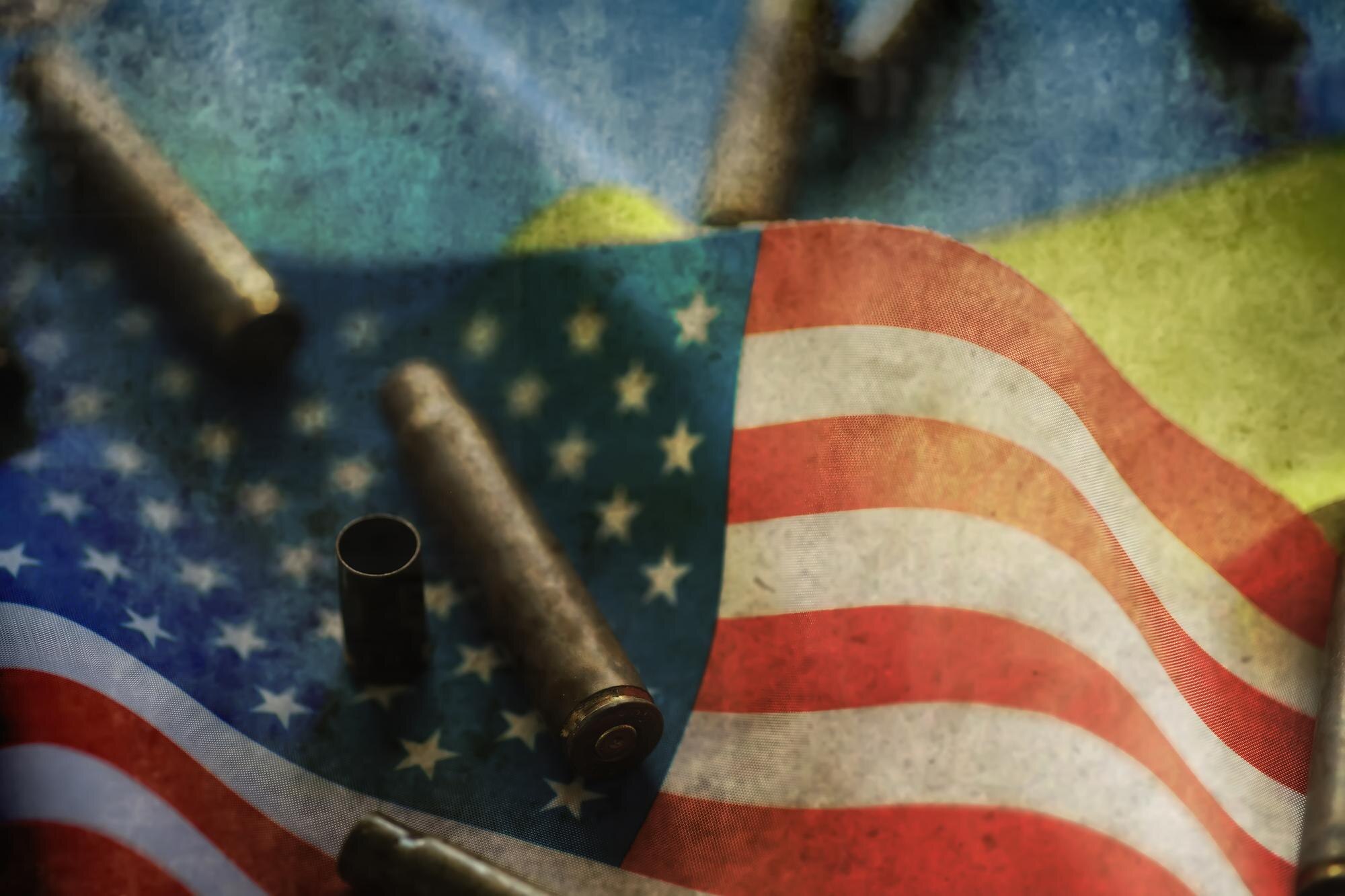
It’s about building bridges that span continents and cultures to honor those who served. Our commitment to forming global partnerships fuels this mission.
Collaborating with Veteran Leaders
Veterans bring unmatched skills and dedication to our mission. They know the terrain and the stakes. By uniting their strengths with ours, we create a formidable force. Veterans lead with heart and experience. They guide research-driven expeditions, ensuring each mission is precise and honorable. Their unique perspective shapes the strategies we employ, making them indispensable partners in the field.
Veterans also find renewed purpose as they help lead these missions. For many, it’s a return to service, a chance to reconnect with a mission larger than themselves. This collaboration not only aids our efforts but also enriches the lives of those who serve on these vital expeditions. The result? A powerful team dedicated to fulfilling the promise of No Man Left Behind.
Engaging Universities and NGOs
Universities and NGOs add layers of expertise to our initiatives. Academic institutions offer research capabilities and new perspectives. They provide crucial historical contexts and innovative methods to push our work forward. By collaborating with universities, we gain access to specialized knowledge that enriches our findings.
NGOs, on the other hand, bring on-the-ground experience and local insight. With their help, we navigate complex terrains and cultural nuances. These organizations become trusted allies, sharing in our mission’s goals. Together, we strive for ethical and effective investigation and documentation of potential sites. Partnerships like these are not just beneficial—they’re essential. By engaging these diverse groups, we move closer to a world where every service member is honored and remembered.
Advancing POW/MIA Research
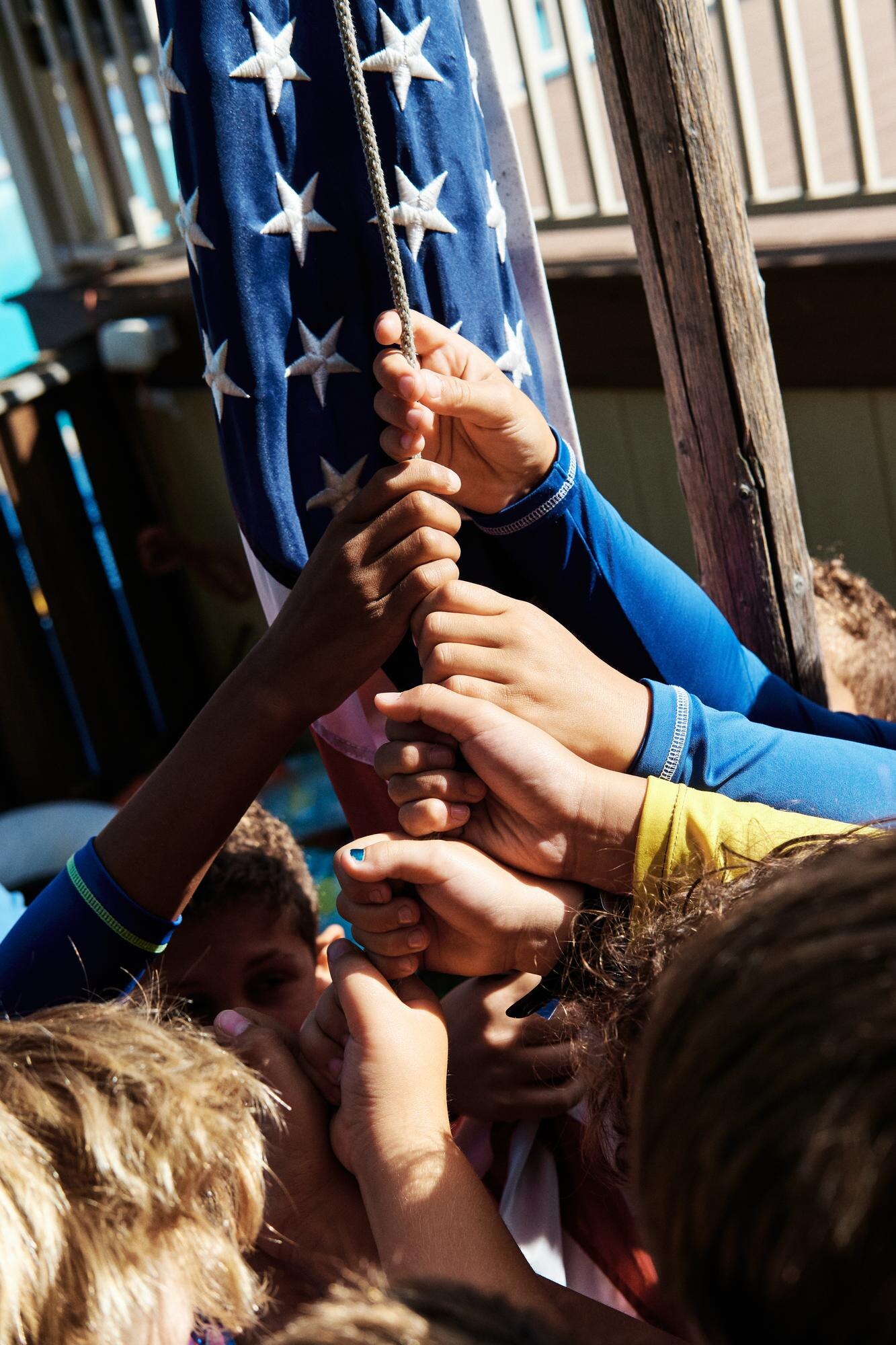
The heart of our mission lies in uncovering the stories of those who went missing. Advanced technology and dedicated research are crucial elements of our approach.
Utilizing LiDAR and GPR Technology
Advanced tools like LiDAR mapping and GPR (ground-penetrating radar) transform how we conduct field research. These technologies allow us to see beneath the surface, literally. With LiDAR, we create detailed maps that guide our explorations, revealing hidden clues in landscapes long untouched. Meanwhile, GPR helps us gather critical data without disturbing the ground.
These advancements lead to more informed searches, allowing us to focus efforts efficiently. We also use drone surveys to capture aerial views, offering new angles and insights. Together, these technologies make our missions more precise and respectful. They allow us to explore with a careful eye, ensuring each step is taken with integrity.
Conducting Archival and Historical Investigations
Archival research is a cornerstone of our work, connecting the past with the present. By diving into historical records, we piece together the stories of those who never returned home. This meticulous process allows us to trace movements and uncover vital leads. Historical investigations often involve collaboration with local historians, adding depth to our understanding.
In Southeast Asia missions and Europe WWII research, these efforts become even more crucial. We look to local archives and veteran testimonies, always ensuring our findings are accurate and respectful. Every document, every story adds another layer to the narrative we aim to uncover. This research honors the memory of those who served, providing a path to their stories and, hopefully, their resting places.
Ethical Community Engagement
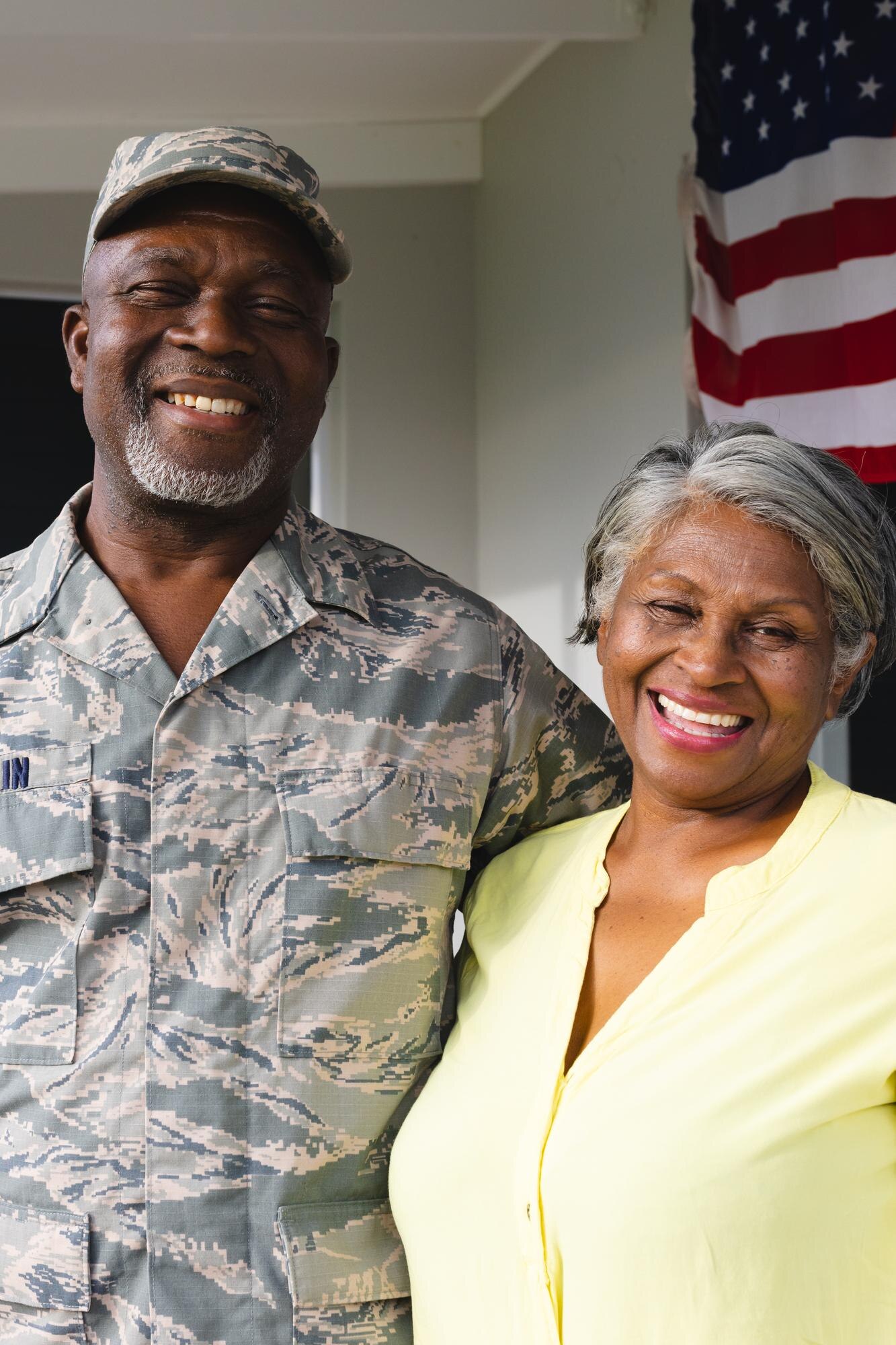
Connecting with communities is essential to our mission. We engage with heart and purpose, ensuring each interaction honors those we seek to remember.
Respectful Remembrance Initiatives
Respectful remembrance is at the core of our ethical engagements. We partner with local communities to hold remembrance ceremonies and memorial initiatives. These events are powerful tributes to the missing and their families. By involving local communities, we foster a shared commitment to remembering and honoring their service.
This approach builds bridges, creating bonds that transcend borders. Community members become allies, sharing in our mission’s goals. Together, we ensure each site is approached with dignity and historical accuracy. Our respectful engagement practices strengthen relationships and deepen our understanding of local perspectives.
Public Education and Advocacy Programs
Raising awareness is as crucial as the search itself. By educating the public, we keep the stories of the missing alive. Our public education programs aim to inform and inspire. Through workshops, exhibits, and speaking engagements, we share our mission with the world.
Advocacy is another critical component. We work to ensure the sacrifices of veterans are never forgotten. This involves lobbying for policies that support our mission and the families we serve. We invite communities and individuals to join us, becoming advocates in their own right. The longer you wait, the more stories risk being lost to time. But together, we can make a difference, ensuring every hero’s story is told. By engaging in these programs, you become part of a larger mission—one that honors the past and looks to the future with hope.
Donate Today: https://fnd.us/TODCambodia?ref=sh_4CkiMc