
Empowering Veterans Through Forensic and Historical Fieldwork Training: A Journey of Purpose and Honor
Veterans trained in forensic fieldwork and historical research carry a powerful mission beyond the battlefield. These veteran training programs equip those who served with advanced skills in LiDAR technology, UAV training, and humanitarian missions that honor America’s missing heroes. This work offers not just new expertise but a renewed purpose—connecting service to remembrance and action. Here’s how Tours of Duty guides veterans into this vital role. Learn more about our programs.
Veteran Training Programs Overview
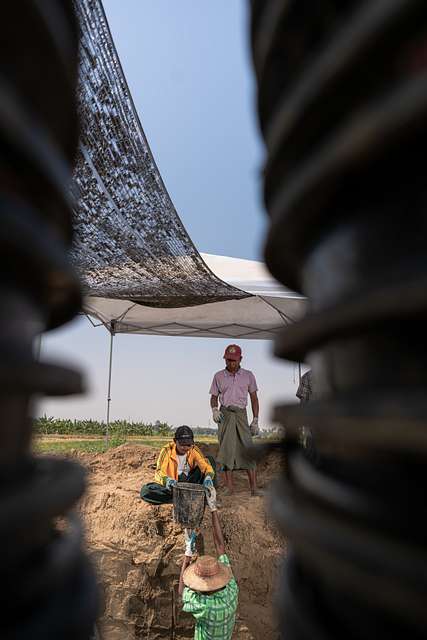
Veterans find new paths in fields that honor their past service. These paths are more than career changes; they bring a deeper sense of duty.
Purpose and Impact
Think about how it feels to move from military service to civilian life. Many veterans do this through programs that teach forensic and historical skills. These skills support missions that honor those who served but never returned home. Training includes use of LiDAR technology and UAVs, which play a crucial part in locating and documenting historical sites.
Veterans gain more than just skills. They get a chance to be part of something bigger. Engaging in historical research and humanitarian missions connects them back to their sense of duty. This is not just about learning; it’s about contributing to a mission that respects the past and serves the future.
Skills and Techniques
Every veteran in the program learns to use advanced tools. They get trained in forensic fieldwork and historical research. These skills are vital for missions where they act as field operators and investigators. Veterans learn to navigate complex terrains using UAVs, which are essential for locating and documenting sites.
Training also covers cutting-edge technologies like LiDAR. This helps veterans conduct detailed surveys of potential sites, making the search more efficient. As they master these skills, veterans become part of a dedicated community, working with others who share their commitment to honor America’s missing heroes.
Forensic and Historical Fieldwork
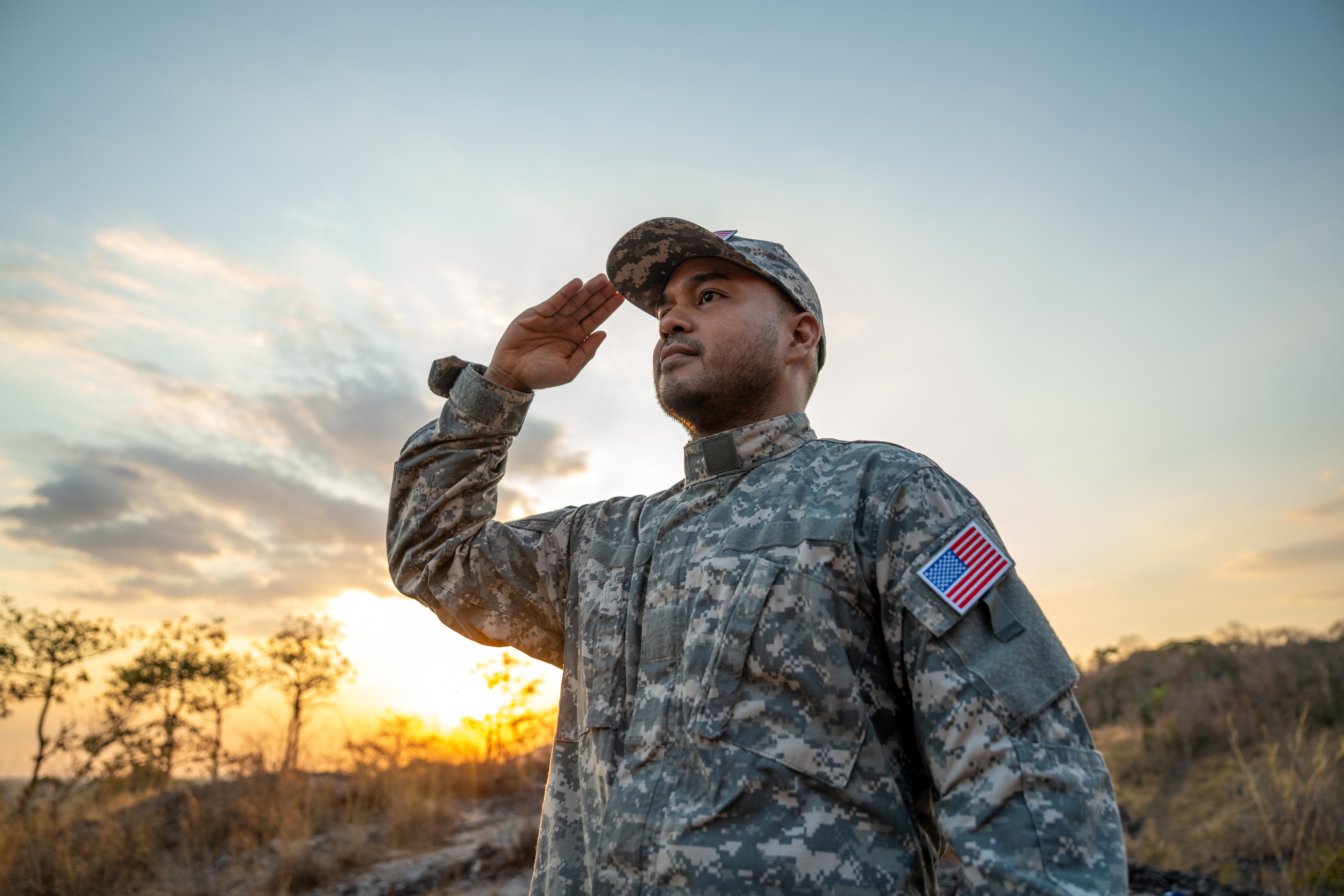
The heart of this mission lies in the field. It’s where veterans use their training to make a difference. Their work in forensic and historical fieldwork is crucial.
Tools and Technology
Forensic fieldwork requires a unique set of tools. Veterans use LiDAR technology to map landscapes, helping to uncover clues hidden beneath the surface. UAVs are also part of their toolkit, providing aerial views that guide their investigations. These technologies are vital in identifying potential sites for further exploration.
Veterans trained in this way become experts in using technology to solve historical puzzles. They learn how to apply these tools in real-world scenarios, supporting efforts to document and preserve history. This work is not just about finding answers; it’s about connecting past and present through the lens of technology.
Role in Humanitarian Missions
Veterans play a key role in humanitarian missions. Their training in historical research and forensic fieldwork allows them to support efforts that honor those who served. They work alongside organizations like the American Veterans Archaeology to document and preserve key historical sites.
Their contributions extend beyond the battlefield. Veterans bring their skills to missions that aim to bring closure to families still waiting for answers. These missions are about more than finding remains; they are about remembering and honoring the lives of those who served. Veterans, through their work, help communities heal and remember.
Honoring America’s Missing Heroes
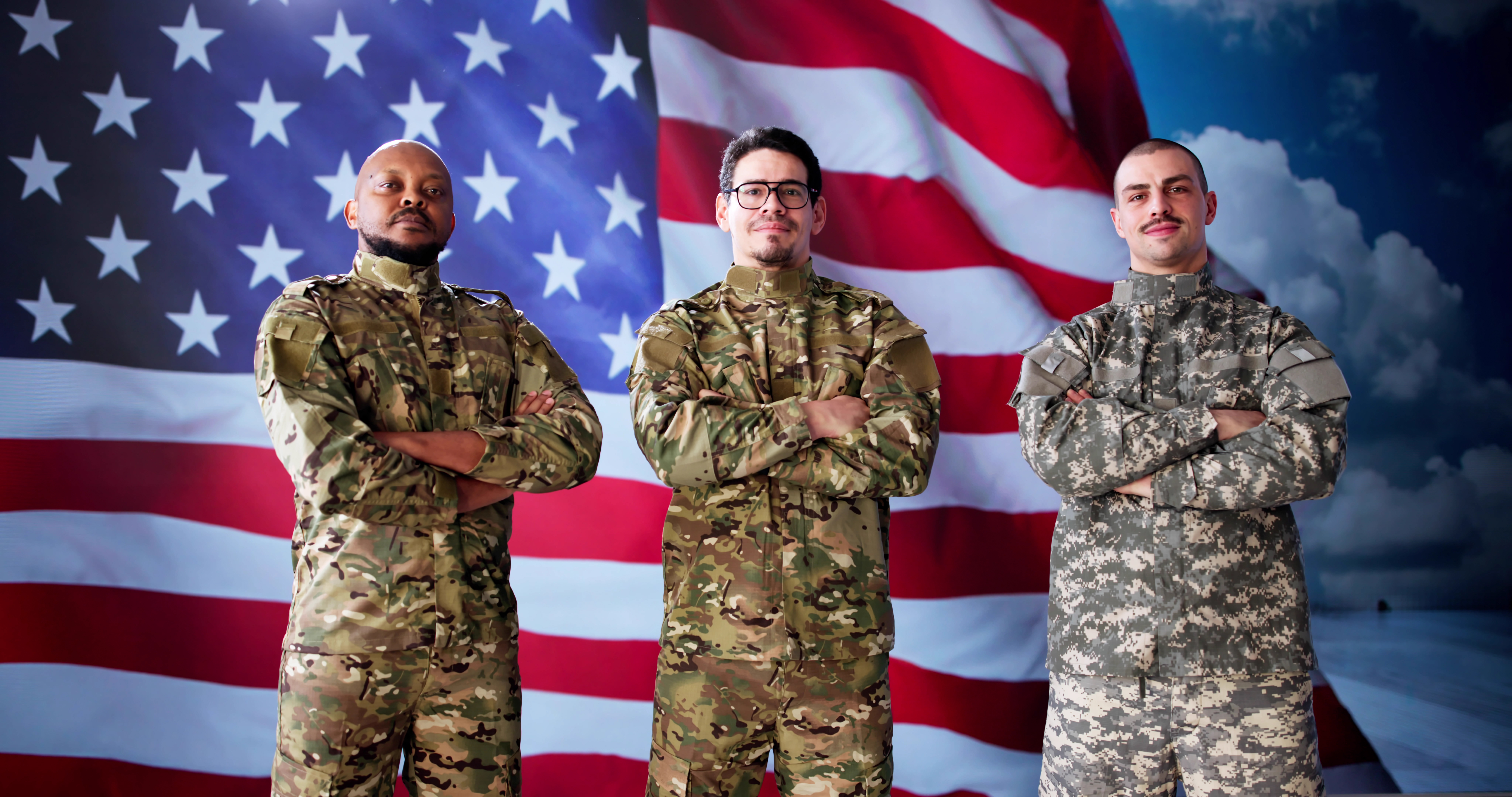
Veterans’ work in these programs is not just technical; it has a profound emotional impact. It honors heroes who are missing and supports their families.
Veterans’ Renewed Sense of Purpose
Participating in these missions gives veterans a renewed sense of purpose. They are not just learning new skills; they are part of a mission that matters deeply. By working on these missions, veterans find a way to continue serving their country. They reconnect with the values of duty and honor that defined their military careers.
Most people think leaving the service means leaving behind a sense of mission. But through these programs, veterans discover new ways to serve. They find fulfillment in supporting efforts to honor and remember missing heroes, reinforcing their commitment to America’s promise.
Supporting Gold Star Families
Gold Star Families hold a special place in these missions. Their sacrifices are acknowledged through the work veterans do. Veterans trained in these programs play a crucial role in supporting these families. They engage in missions that aim to bring closure and comfort.
Efforts like these remind us that the longer we wait to honor our missing heroes, the more we risk forgetting their stories. Veterans stand with Gold Star Families, reinforcing the promise that no one is forgotten. Their work is a testament to the enduring commitment to honor and remembrance.
For more on how forensic practices contribute to these missions, visit Humanitarian Forensics.
Through these training programs, veterans transform their skills and lives. They become part of a mission that honors the past while serving the future. As they continue this journey, they carry with them the promise that no American hero is left behind.
Donate Today: https://fnd.us/TODCambodia?ref=sh_4CkiMc