
The Unseen Frontline: Veterans’ Role in Historical Preservation
Veterans carry a unique burden long after the battlefield falls silent. Through Tours of Duty’s humanitarian missions, they step into a vital role in historical preservation—bringing honor to America’s missing and solace to Gold Star families. Using advanced technology like LiDAR and drones, these missions connect past sacrifices with today’s resolve. Your understanding of this unseen frontline reveals how veterans keep America’s promise alive. Learn more about veterans’ contribution to historical preservation here.
Veterans in Historical Preservation
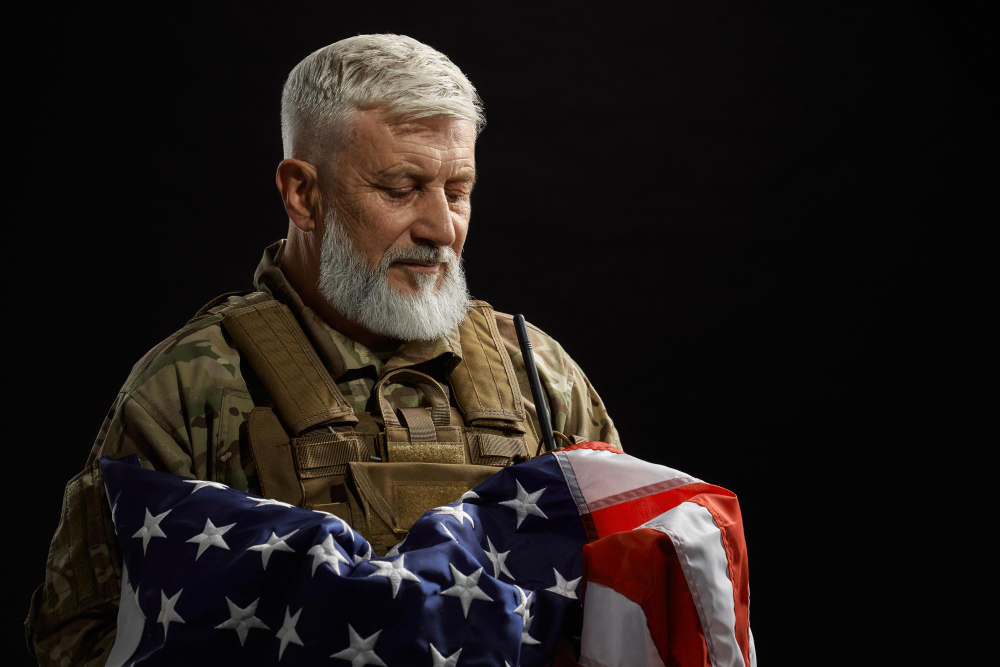
Veterans play an essential role in preserving our nation’s history. Their efforts ensure the stories of the past are not forgotten.
Guardians of Remembrance
Veterans serve as protectors of history. They understand the sacrifices made by those who came before and strive to keep these memories alive. Their mission is not just about looking back; it’s about ensuring future generations understand the value of freedom. Most people think preserving history is a job for historians, but veterans bring unique insights that make a difference.
Tours of Duty Missions
Tours of Duty provides veterans with a meaningful way to stay connected to their service. These missions allow veterans to use their skills in new ways. They join forces to identify potential historical sites and document important stories. The missions are more than just work; they are a chance to honor those who never returned. By participating, veterans continue to serve their country.
Empowering Veterans with Purpose
Finding purpose after military service can be challenging. Tours of Duty helps veterans find new ways to contribute. The organization offers training, support, and a sense of community. Veterans gain a renewed sense of direction and belonging, which is crucial for reintegration. This approach empowers veterans to make a lasting impact.
Advanced Technology in Preservation
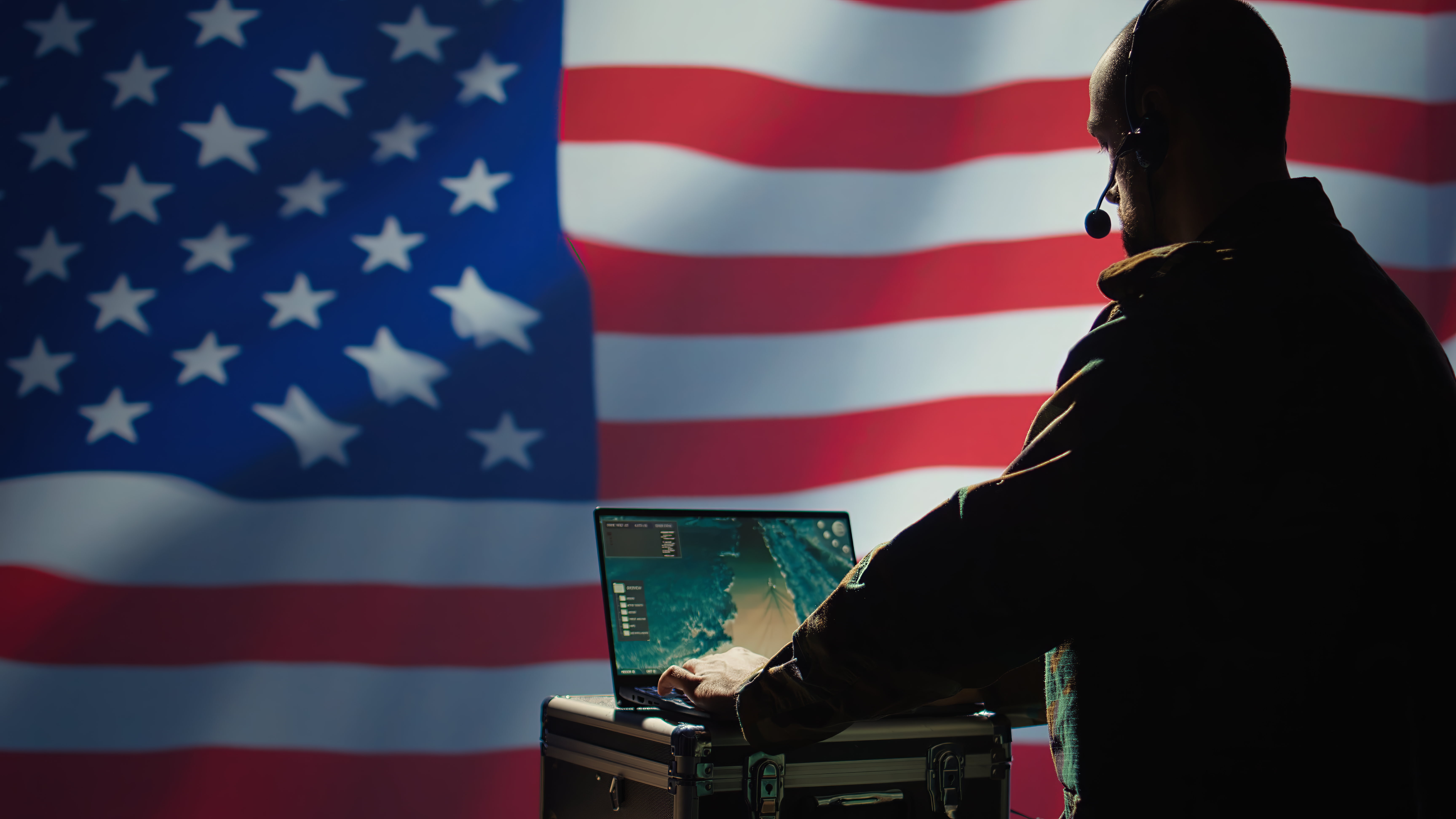
Technology plays a critical role in historical preservation. It enhances the ability of veterans to perform their missions effectively.
LiDAR and GPR Applications
LiDAR and GPR are vital tools in identifying and documenting historical sites. These technologies allow veterans to see beneath the surface without disturbing the ground. LiDAR uses laser light to create detailed maps, while GPR detects buried objects. This combination provides a comprehensive view, making it easier to locate significant sites. Learn more about historical preservation tools here.
Drone Technology in Missions
Drones have become indispensable in preservation missions. They offer a bird’s-eye view, capturing images and data from above. This perspective helps veterans cover large areas quickly and efficiently. Drones are not just gadgets; they are game-changers in the field. They allow veterans to gather information without physical presence, maintaining the integrity of sites.
Enhancing Search and Recovery
Advanced technology supports the search and recovery process. It ensures that veterans have the best tools at their disposal. The longer we wait to preserve history, the more we risk losing it forever. By using modern technology, veterans can protect and document critical historical data. This effort is a vital part of keeping America’s promise.
Gold Star Families and America’s Promise

Gold Star families have experienced unimaginable loss. Their involvement in preservation missions is a testament to their resilience and commitment.
Honoring Sacrifices
Gold Star families understand the true cost of service. Their loved ones made the ultimate sacrifice, and these families live with that reality every day. Participating in preservation efforts allows them to honor their heroes in a meaningful way. It’s about keeping their memory alive and ensuring their sacrifices are never forgotten. Learn more about honoring veterans’ stories through National Parks.
The Role of Families in Missions
Families are integral to the success of preservation missions. Their stories and insights add depth to the historical narrative. By involving families, Tours of Duty creates a more comprehensive understanding of the past. Families bring a personal touch that enriches the preservation process, ensuring that the stories of loved ones are told with accuracy and emotion.
No Man Left Behind Initiative
The “No Man Left Behind” initiative is at the heart of Tours of Duty’s mission. It signifies a commitment to bringing closure to families waiting for answers. The initiative ensures that every effort is made to honor America’s promise. It’s a pledge to leave no stone unturned in the quest to remember and honor those who served. This commitment strengthens the bond between veterans, families, and the nation. For more resources related to veteran preservation, visit this guide.
In conclusion, veterans play a crucial role in historical preservation, offering their skills and dedication to honor those who served before them. Their work ensures that future generations understand and appreciate the sacrifices made for freedom.
Donate Today: https://fnd.us/TODCambodia?ref=sh_4CkiMc