
The Silent Weight: Understanding the Psychological Impact of Long-Term Uncertainty on Families of Missing Servicemembers
Long-term uncertainty weighs heavily on the families of missing servicemembers, shaping their lives in ways few can imagine. The psychological impact stretches beyond grief—it’s a relentless shadow that tests hope, resilience, and faith. This post sheds light on these silent struggles, showing why veteran support and humanitarian missions remain crucial to honoring Gold Star families and keeping America’s sacred promise alive. For more insights on the challenges faced by military families, you can read more here.
Emotional Toll of Uncertainty

When someone you love is missing, uncertainty becomes a constant companion. The families of missing servicemembers live with this every day.
Daily Struggles and Coping Mechanisms
From sunrise to sunset, families grapple with the unknown. They hold onto hope, yet face the reality that answers may never come. Simple tasks become mountains when your heart is heavy with unanswered questions. Many turn to journaling or support groups to find solace. These acts help tether them to the present, making the weight of uncertainty a little lighter. One mother shared, “Writing letters to my son helps me feel close to him, even when he’s far away.”
Faith and community are lifelines. Leaning on spiritual beliefs offers comfort in times of despair. Gathering with others who understand, whether online or in person, provides a sense of belonging. Knowing you’re not alone in your journey can be a guiding light through the darkest times.
The Role of Community Support
Communities play a vital role in supporting these families. Actions as simple as organizing a weekly dinner or checking in can make a world of difference. These gestures show families they are not forgotten. You might be surprised to learn that a strong support network can reduce stress and foster resilience. It’s not about grand gestures but consistent presence and understanding.
Support groups become a second family. Sharing stories, tears, and laughter can be incredibly healing. They offer a safe space to express feelings without judgment. For families of missing servicemembers, this connection is invaluable. For more on community support, check out this article.
Impact on Family Dynamics
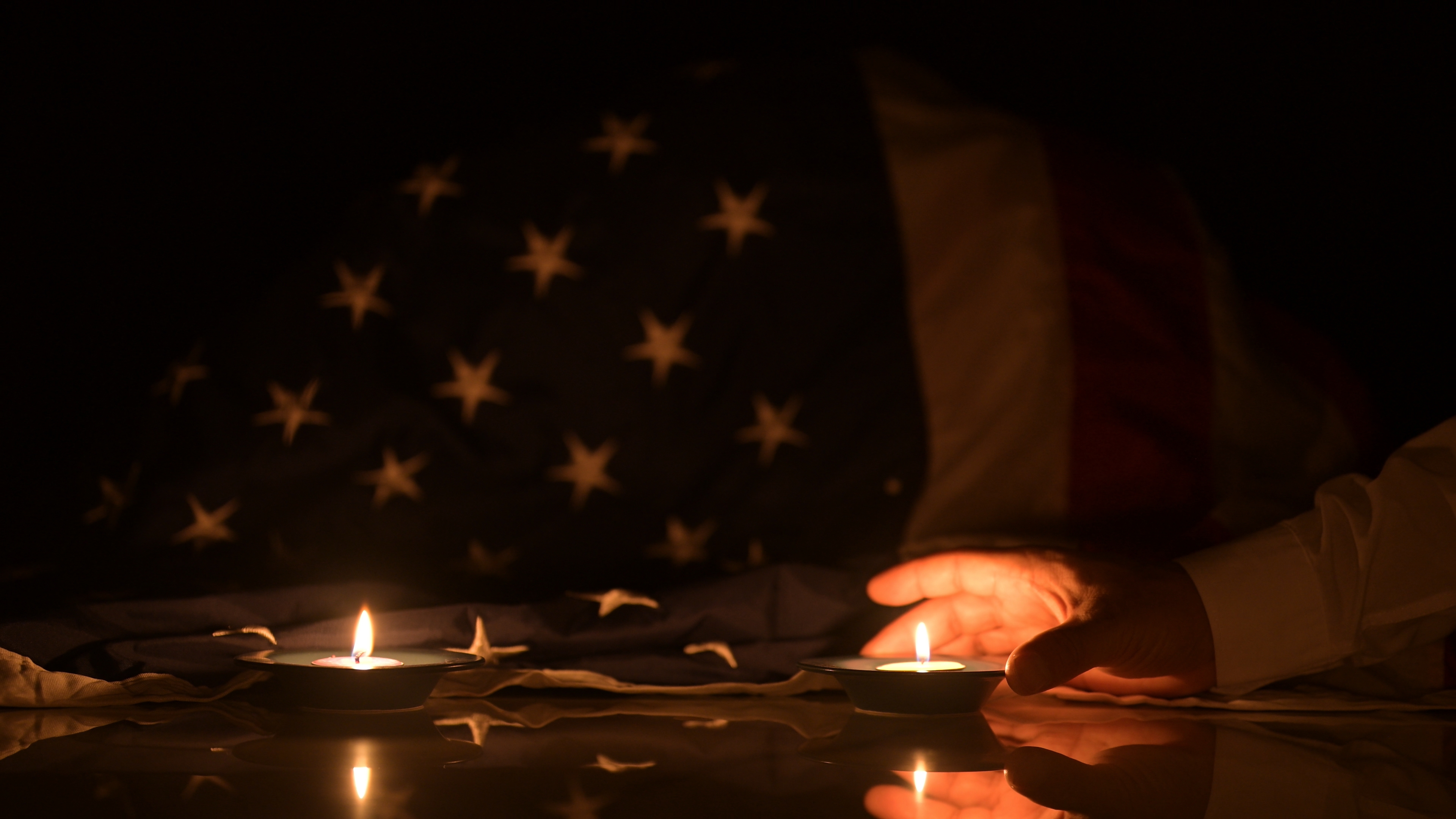
The absence of a loved one creates ripples, affecting how families interact and cope with daily life.
Grieving Without Closure
Grieving a missing servicemember is a unique pain. There’s no closure, no final goodbye. Families live in a state of suspended grief, caught between hope and reality. This can strain family ties, as each member processes the loss differently. Some may hold onto hope, while others confront the possibility of never knowing the truth.
This limbo affects everything from daily routines to long-term plans. Holidays and milestones can be particularly difficult, as they serve as reminders of the loved one’s absence. Families often create new traditions or memorials to honor their missing member, keeping their memory alive.
Psychological Strain on Relationships
Relationships can become strained under the weight of uncertainty. Without closure, emotions run high, leading to potential misunderstandings or conflicts. Communication becomes crucial. Couples may seek therapy to navigate these challenges, finding new ways to connect and support each other.
Children may struggle to understand the absence of a parent. Open conversations and support from schools or counselors can help them process their feelings. It’s important for families to lean on external resources, such as counseling, to maintain healthy dynamics.
Honoring the Sacrifices

Despite the challenges, families find strength in honoring their missing loved ones. This commitment shapes their journey.
Importance of Remembrance Efforts
Remembrance efforts are essential. They not only honor the missing but also provide a sense of purpose for families. Ceremonies, memorials, and storytelling keep the memory of missing servicemembers alive. These acts connect families with others who share their experience, fostering a sense of community.
Gold Star families often lead these efforts, ensuring their loved ones’ sacrifices are remembered. They advocate for awareness and support, reminding the nation of its promise to leave no one behind. This role is both empowering and healing, as it transforms their pain into action.
The Role of Veteran Support Networks
Veteran support networks offer critical assistance. These organizations connect families with resources and opportunities for healing. They provide platforms for advocacy, allowing families to share their stories and drive change.
Veterans themselves find renewed purpose through these networks. They become part of a mission larger than themselves, honoring their fallen comrades by supporting those left behind. This sense of duty and brotherhood is a powerful motivator, fueling continued search and recovery efforts.
In conclusion, the journey of families of missing servicemembers is marked by uncertainty, yet strengthened by community, remembrance, and support. By honoring their sacrifices and continuing the mission, we uphold America’s sacred promise.
Donate Today: https://fnd.us/TODCambodia?ref=sh_4CkiMc