
The OSS’s Secret Bombers Flew Alone, Unarmed, in the Dark
The blacked-out air force that armed the Resistance, one moonlit night at a time.
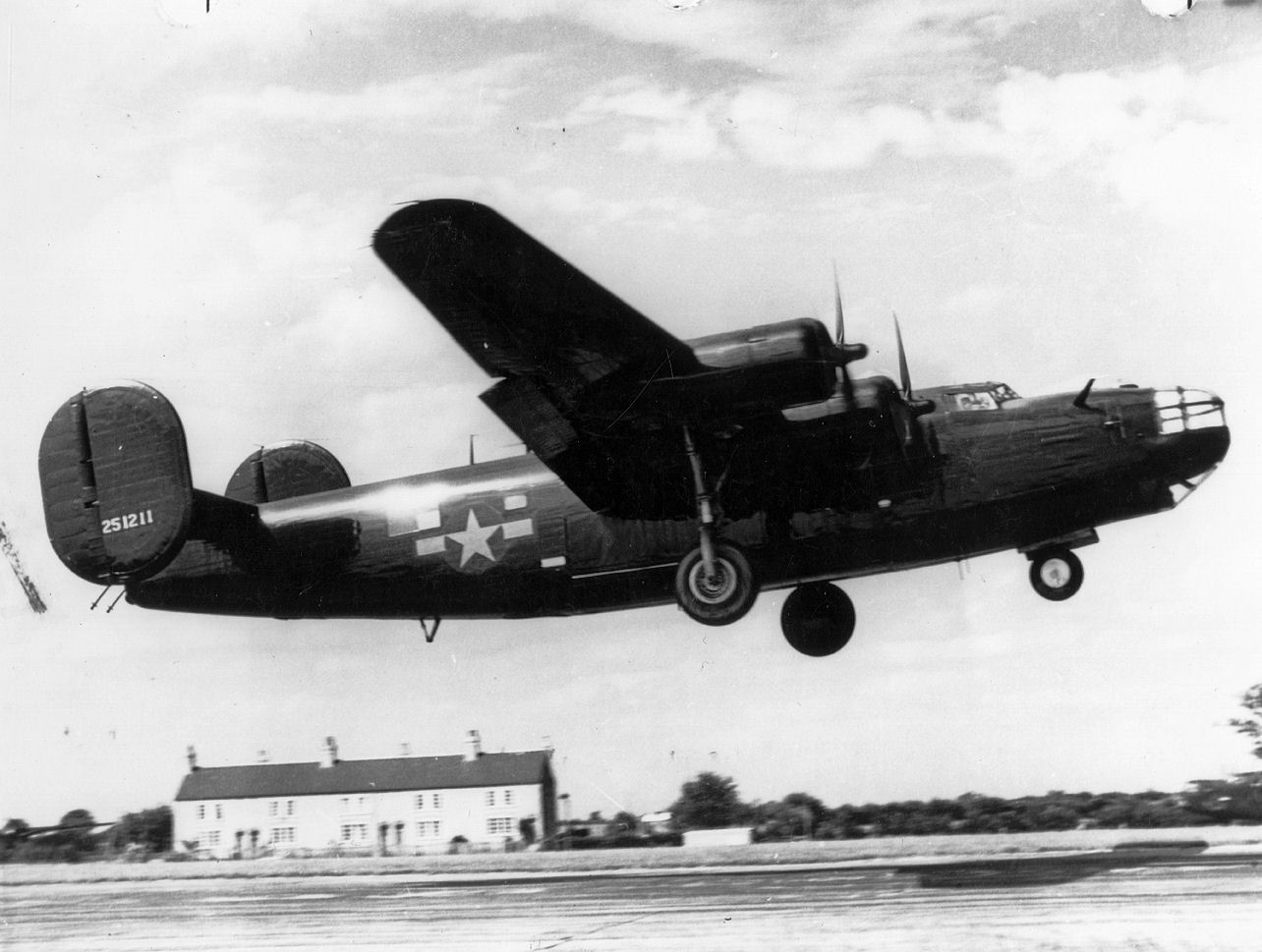
On a clear night over occupied France, a four-engine bomber came in low enough to see the hedgerows. It was carrying no bombs. Its machine guns had been pulled out and the turret cut from its belly, and it flew alone, without escort and without a single light showing, navigating by the moon toward a field somewhere in the dark where a few men stood waiting with flashlights. When the pilot found them he throttled back, and through a hatch in the floor of the aircraft a man in a parachute dropped out into the night and fell toward enemy territory. Then the bomber turned for home, and the men on the ground gathered up what it had left behind: rifles, plastic explosive, radios, and now and then another human being.
This was Operation Carpetbagger, and for most of the war almost no one knew it existed. It was the secret air arm of the Office of Strategic Services, Wild Bill Donovan’s spy agency and the ancestor of the CIA, and its work was to keep the European Resistance alive from the air.
The aircraft were B-24 Liberators, heavy bombers built to fly in tight formation at altitude and flatten cities. The Carpetbaggers turned that idea inside out. They stripped out the guns and the ball turret to make the planes lighter and faster, painted them a dead flat black to drink up the searchlights, and left a hatch where the turret had been. The crews called it the Joe Hole, after the agents, the Joes and the Josephines, who went through it into occupied Europe.
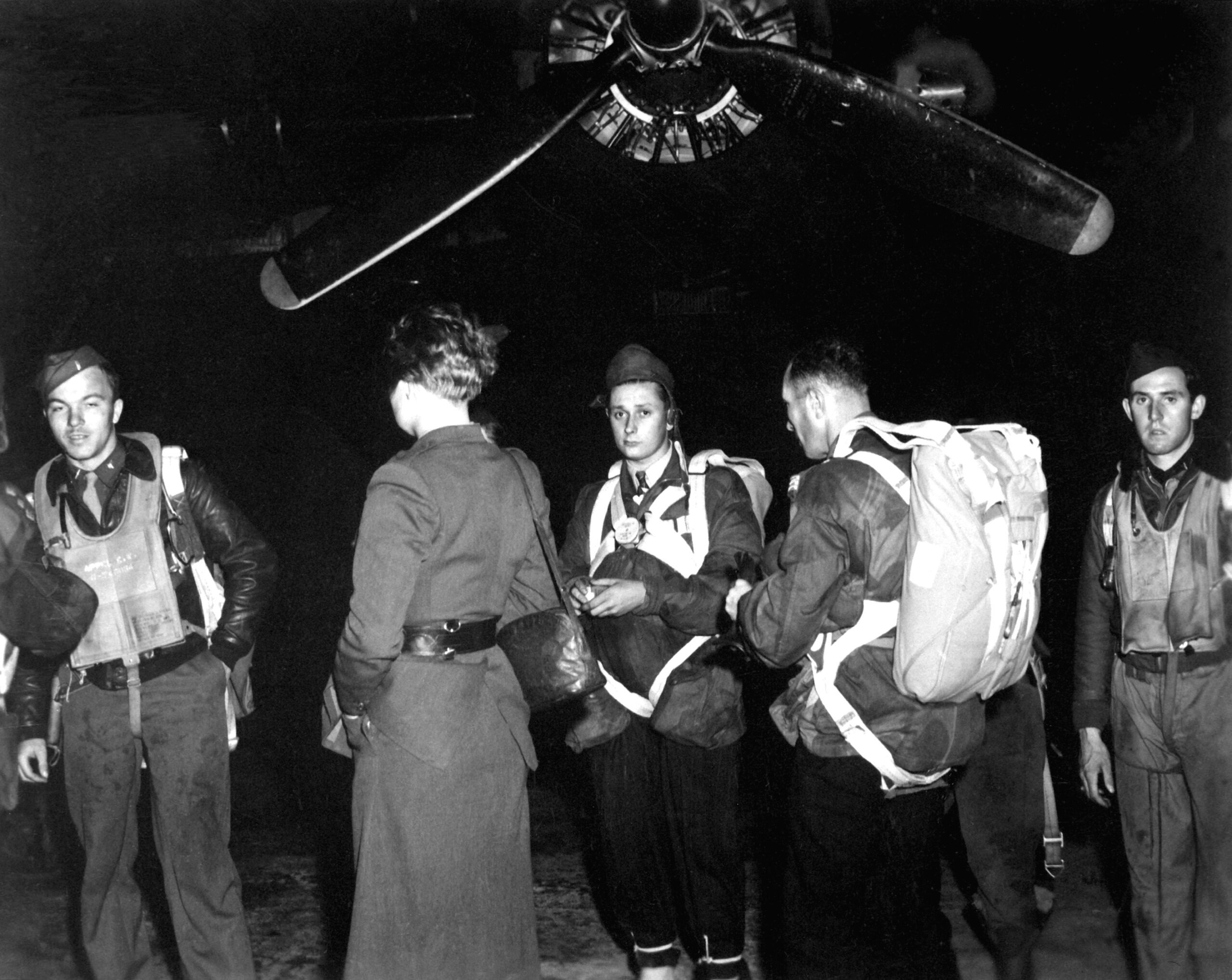
They flew only in the moon period, because moonlight was the one thing that let them find a target in a blacked-out country. A navigator would home a small radar set on a beacon hidden in a field, or the pilot would simply look for a prearranged pattern of torches burning in the black, and then bring a four-engine bomber down to a few hundred feet, alone, over country thick with flak and night fighters, to lay his cargo within yards of men he would never meet. It was some of the most dangerous flying of the entire war. Twenty-five of their aircraft never came home, and others came back too torn up to fly again.
Over eighteen months they flew close to two thousand of these lone night sorties. They dropped more than twenty thousand containers and over a thousand agents into France, the Low Countries, and Norway, rifles and ammunition and explosive, radios and boots and food, even bicycles and carrier pigeons. The weapons they delivered armed the maquis who blew the rail lines and ambushed the German columns racing for Normandy after D-Day. The invasion was supplied, in part, by a fleet of black bombers that never dropped a bomb.
The men who flew the missions were sworn to silence, and most kept the secret for the rest of their lives. The operation stayed classified for decades. Even now the blacked-out bombers and the Joes who rode them are a footnote almost no one has ever read.
The mission didn’t end in 1945
Eighty-three years after the Allied invasion of Normandy, Americans who fought to liberate Europe are still missing. And the intelligence tradecraft the OSS pioneered remains central to the work of finding them.
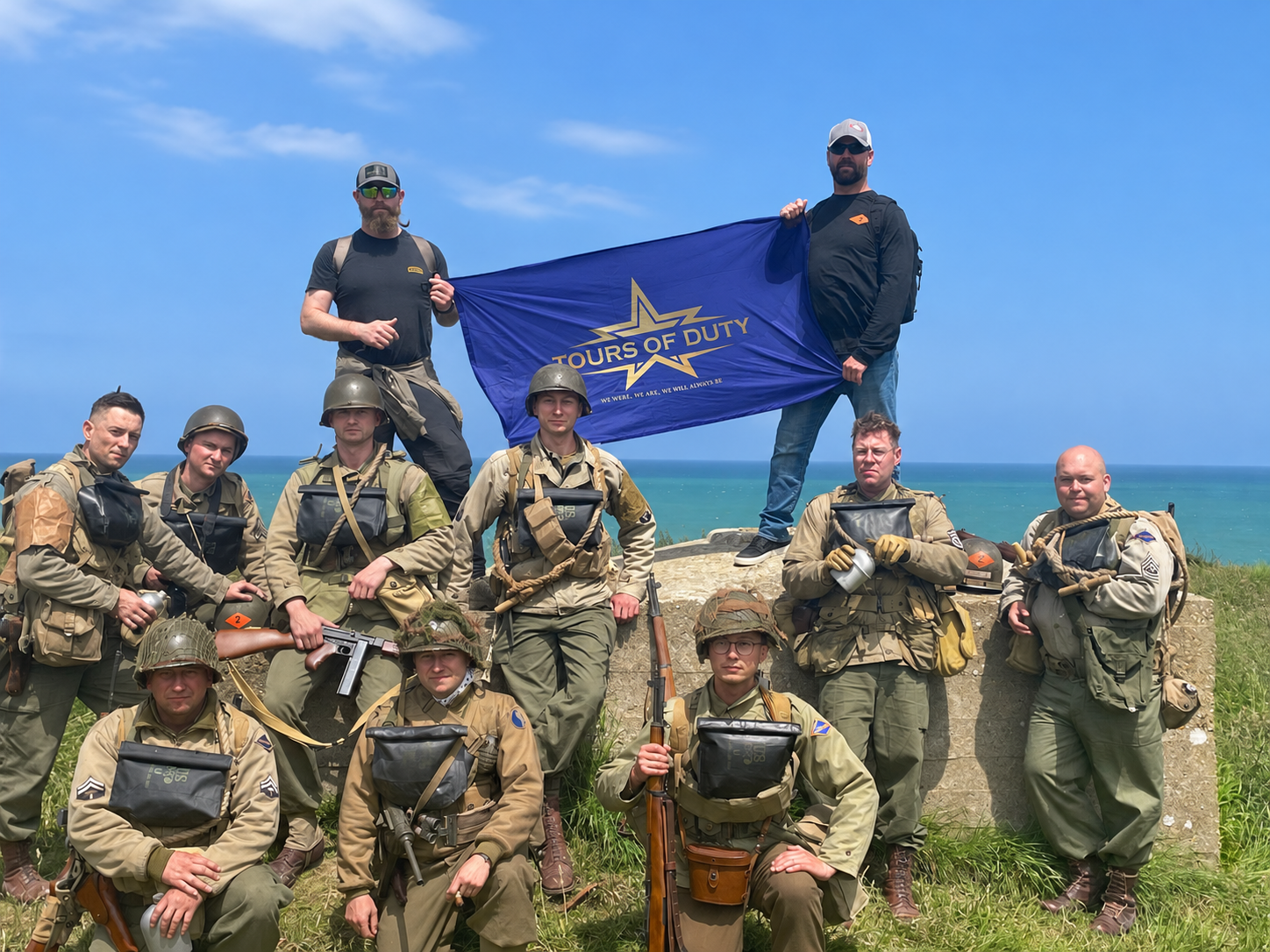
Tours of Duty, a veteran-led nonprofit dedicated to locating America’s missing servicemembers, is carrying that mission forward. Our team still runs the patient, human tradecraft the OSS pioneered, working the cold cases of the nearly 81,000 Americans never brought home, chasing a single loss across the records and the ground where it happened until a name can be put back on it and a family can finally have an answer.
And in June 2027, we are opening that work to just 25 couples.
D-Day 83 | Normandy, France | June 1-10, 2027
Join our team for an exclusive, ten-day hosted experience that takes you beyond the history of D-Day and into the work that remains unfinished.
Go into the field alongside our veterans as they investigate real cases of Americans still missing in Normandy. Explore the battlefields, beaches, gun batteries and hedgerows through military staff rides that reveal the strategy, decisions and human cost behind the invasion.
Step into the command room during Midnight Ops, an immersive, time-sensitive simulation that puts the decisions of Allied commanders in your hands on the eve of D-Day.
And on June 6, stand as invited guests at the official 83rd-anniversary commemoration at the Normandy American Cemetery.
This is Normandy through the eyes of those who have served, with extraordinary access and experiences unavailable through commercial tour operators, and a mission that connects the events of 1944 to the work still being done today.
History is something most people travel to Normandy to discover. You have the opportunity to become part of its unfinished story.
25 couples. Ten extraordinary days. One historic anniversary.
Secure your exclusive access with a $999 refundable deposit.