
Harnessing Technology for Battlefield Documentation: Tours of Duty’s Approach
Battlefield documentation demands more than respect—it requires precision and care. Tours of Duty pairs veteran-led missions with advanced mapping technology like LiDAR, GPR, and drones to document potential sites connected to missing servicemembers. This approach preserves history and strengthens the promise that no hero will be forgotten. In the following, you’ll learn how these tools bring clarity and honor to our humanitarian expeditions. For more information, check this link.
Advanced Mapping Tools in Action
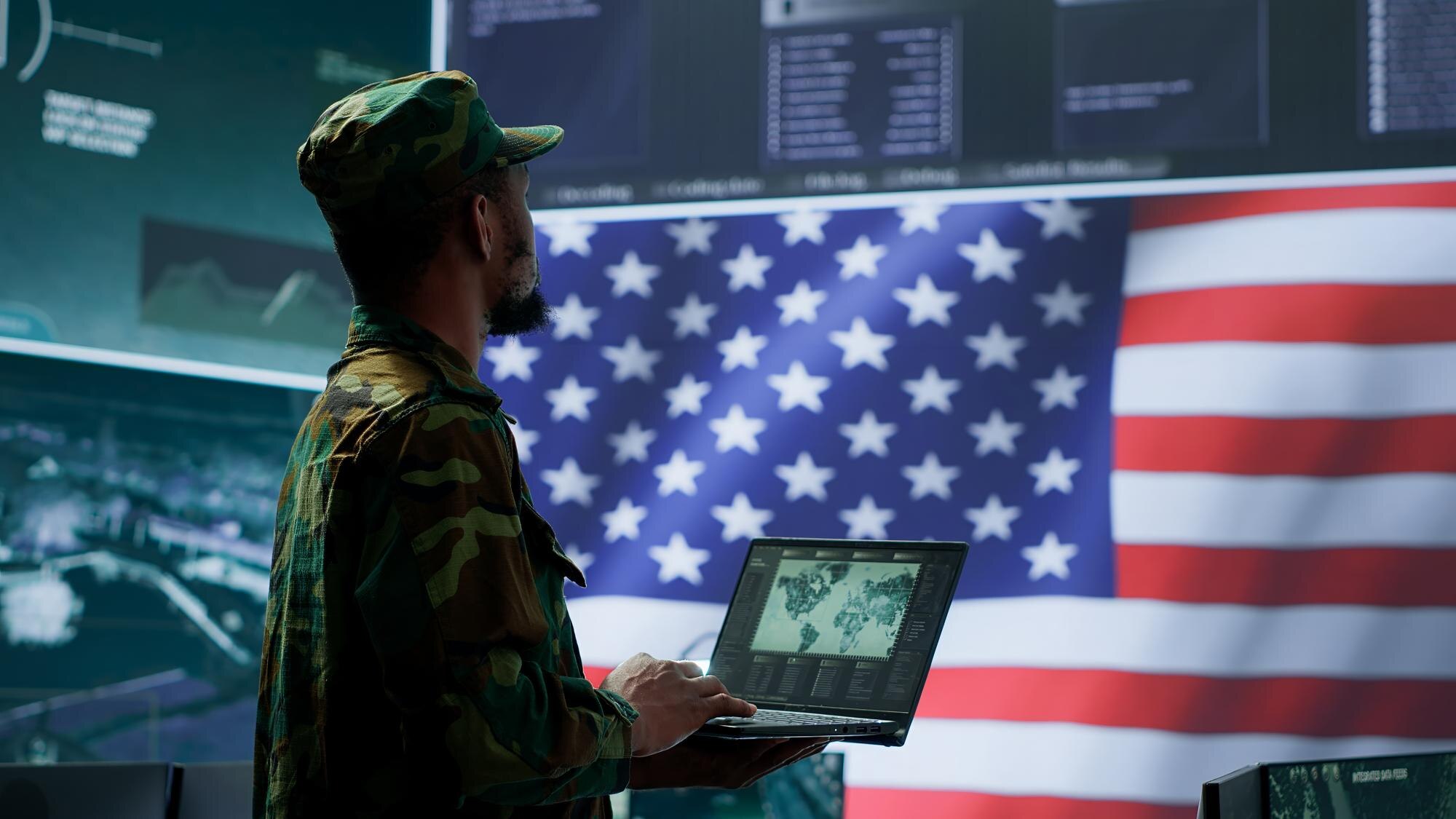
In the quest to honor missing servicemembers, Tours of Duty employs cutting-edge technology to meticulously map potential sites. These tools are not just high-tech gadgets; they are the keys to unlocking stories of the past and ensuring no hero is forgotten.
Cutting-Edge LiDAR and GPR
LiDAR and GPR are game-changers in battlefield documentation. LiDAR, which stands for Light Detection and Ranging, uses laser pulses to create detailed 3D images of the ground. This technology allows for the identification of subtle ground disturbances, which might indicate historical activities. GPR, or Ground Penetrating Radar, complements this by using radar pulses to penetrate the ground, revealing hidden structures below the surface. Together, these tools offer unparalleled insights. Imagine scanning a dense forest in Southeast Asia; LiDAR can strip away the vegetation digitally, while GPR helps understand what’s beneath the earth. This combination is essential for exploring areas where traditional methods fall short.
While many believe technology replaces human effort, it actually enhances our ability to connect with history. These tools empower veteran-led missions to gather data that guides their focus, ensuring time and resources are used wisely. By integrating these technologies, Tours of Duty maintains momentum in its mission to document history and honor the missing.
Drones Enhancing Battlefield Surveys
Drones provide a bird’s eye view, transforming how we survey battlefields. With high-resolution cameras and advanced navigation, drones quickly cover large areas, capturing images and data that are vital for analysis. For example, drones can fly over challenging terrains, like mountains or dense forests, where human access is difficult. The imagery captured helps create detailed maps, pinpointing areas of interest for further exploration.
Most people think drones are simply flying cameras, but they are much more. They are the eyes in the sky, surveying sites with precision and offering insights that ground-level exploration cannot. Drone surveys are essential for understanding the landscape context, identifying potential historical sites, and planning expeditions. As drones collect data, they provide real-time updates, allowing teams to adjust strategies as needed. This adaptability enhances the effectiveness of the missions, ensuring no stone is left unturned.
Documenting History with Technology
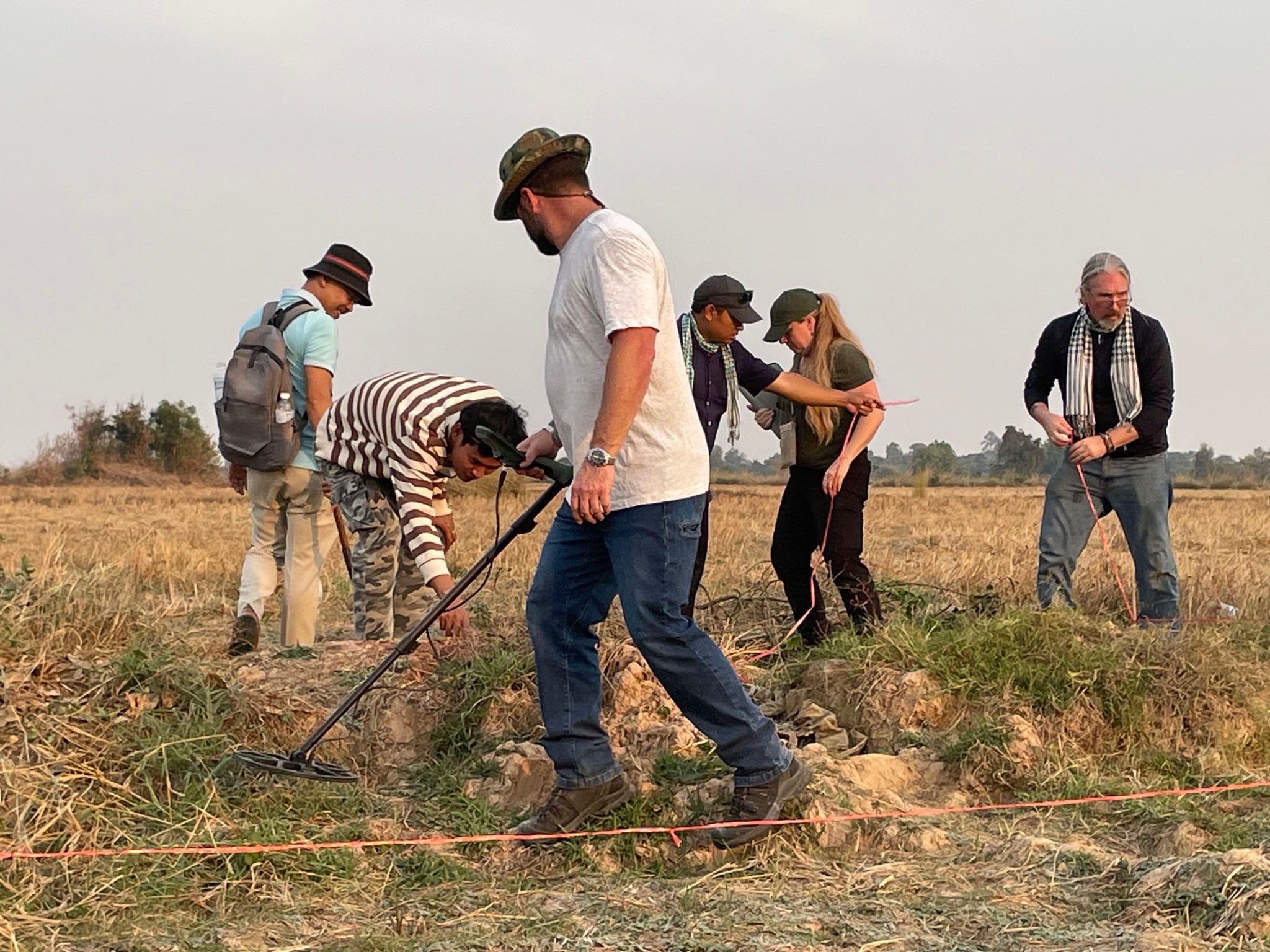
Technology not only aids in locating potential sites but also plays a crucial role in preserving history. By combining advanced tools with the expertise of veterans, Tours of Duty ensures that history is documented with accuracy and respect.
Preserving Sites in Southeast Asia
Southeast Asia holds many secrets of the past, with countless sites waiting to be explored. Tours of Duty focuses on these regions, using technology to document and preserve their historical significance. LiDAR, GPR, and drones work together to create a comprehensive picture of these sites, capturing details that might otherwise be overlooked. This documentation is vital for understanding the context and ensuring that these sites are respected and protected for future generations.
The longer you wait to preserve history, the more is lost to time. Tours of Duty acts swiftly, knowing that each site holds a piece of the puzzle. The data collected not only aids in understanding the past but also informs future research and conservation efforts. By preserving these sites, we honor the servicemembers who never returned and keep their stories alive.
Honoring Missing Servicemembers
Honoring those who never came home is at the heart of Tours of Duty’s mission. By integrating technology with veteran expertise, the organization ensures that each mission respects the sacrifices made by these heroes. The data collected during expeditions helps piece together their stories, providing closure and hope to families who have waited decades for answers.
Most people think closure comes only from finding remains, but honoring the missing is about more than tangible discoveries. It’s about preserving their legacy and ensuring their stories are not forgotten. Tours of Duty remains committed to this mission, using technology to tell the stories of those who served and sacrificed for their country.
Join the Mission
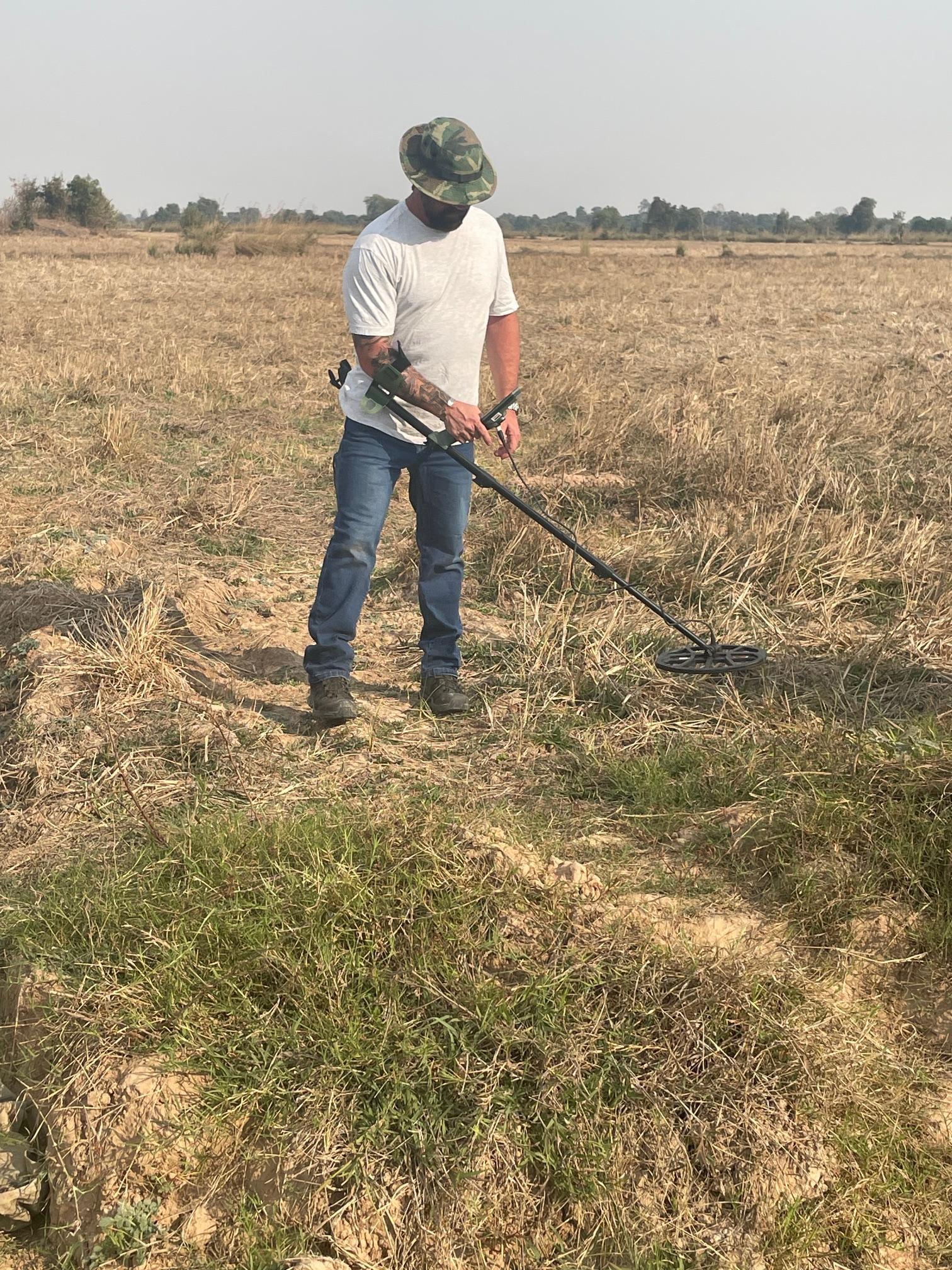
Your support is crucial in sustaining these endeavors. By joining the mission, you can play a part in honoring the legacy of America’s heroes and ensuring their stories are preserved for future generations.
Support Veteran-Led Expeditions
Veteran-led expeditions are at the core of Tours of Duty. These missions provide veterans with a renewed sense of purpose, allowing them to apply their skills in meaningful ways. By supporting these expeditions, you help empower veterans to continue serving their country, this time through humanitarian efforts. Each mission is an opportunity for veterans to reconnect with their service, using their expertise to make a difference.
Honor America’s Promise
America’s promise is clear—no hero will be left behind. Tours of Duty is committed to fulfilling this promise by documenting potential sites and preserving history. Your support enables this vital work to continue, ensuring that the legacy of missing servicemembers is honored with the dignity and respect they deserve. Together, we can keep America’s promise and ensure that no hero is forgotten.
Donate Today: https://fnd.us/TODCambodia?ref=sh_4CkiMc