
Veterans Leading the Mission: Training in Forensic, UAV, and LiDAR Operations
Forget everything you think you know about veteran training. It’s no longer just about returning to civilian life—it’s about mastering advanced skills like UAV certification, LiDAR mapping, and forensic documentation that serve a higher cause. At Tours of Duty, veterans gain the tools and knowledge to lead humanitarian search missions with precision and honor. Here’s how this training pipeline prepares mission-ready veterans to carry forward the No Man Left Behind promise. Learn more here.
Empowering Veterans Through Training
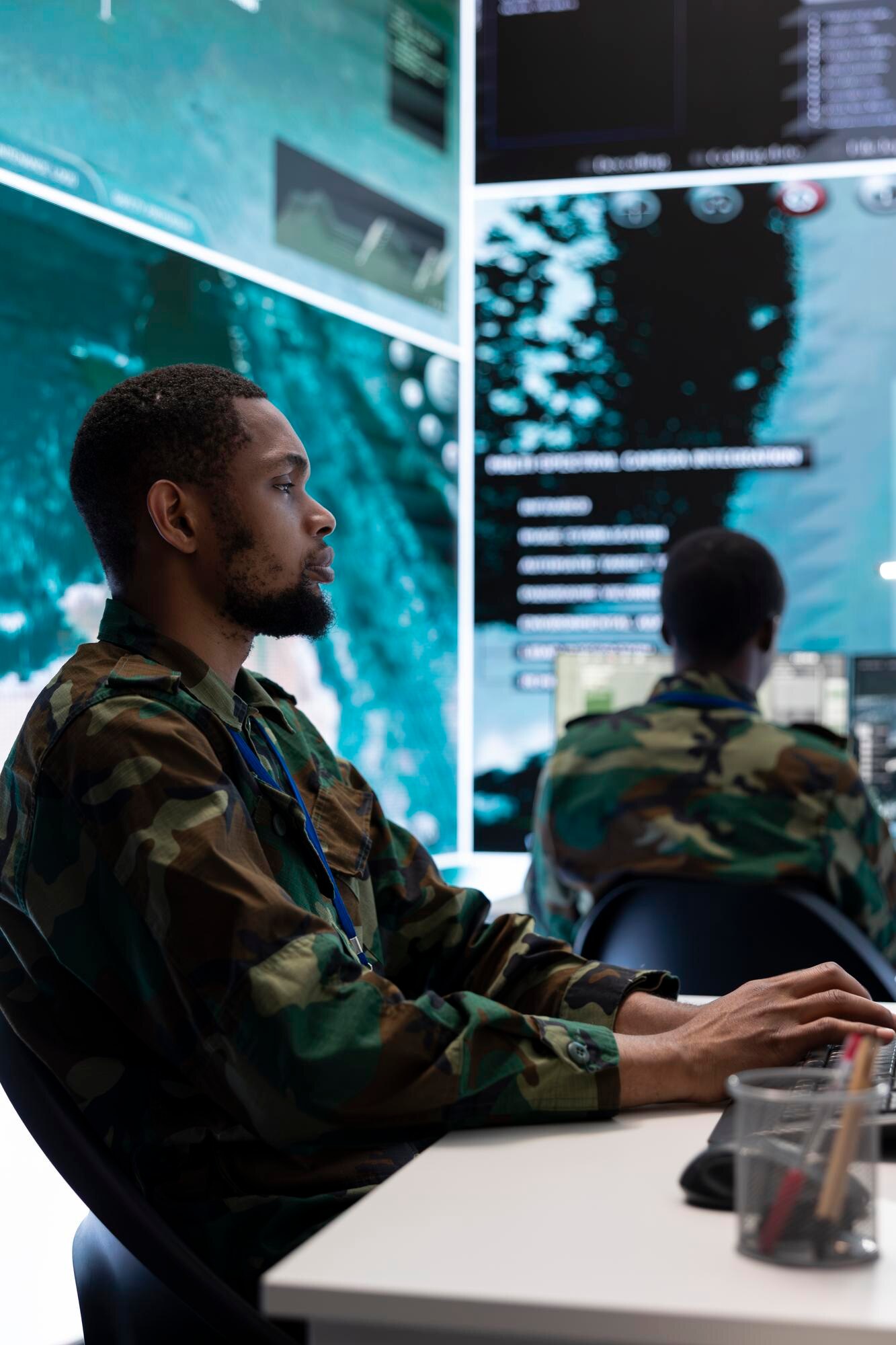
The path from service to search missions demands more than courage. It requires specialized skills that enable veterans to lead with confidence. Let’s explore the core areas of training that make this possible.
Forensic Documentation Skills
Forensic documentation is crucial in capturing evidence that supports historical research and humanitarian missions. With proper training, veterans become adept at using advanced tools to document and analyze potential sites.
-
Precision Matters: Veterans learn to document with accuracy, capturing details that may guide future missions.
-
Hands-On Learning: Practical exercises ensure veterans are ready for real-world scenarios, enhancing their capabilities.
-
Tools of the Trade: Understanding technology like photogrammetry and geospatial analysis is key to effective documentation.
These skills are vital for veterans to lead missions with clear purpose and honor. They help ensure no detail is overlooked in the search for missing heroes.
UAV Certification and Operations
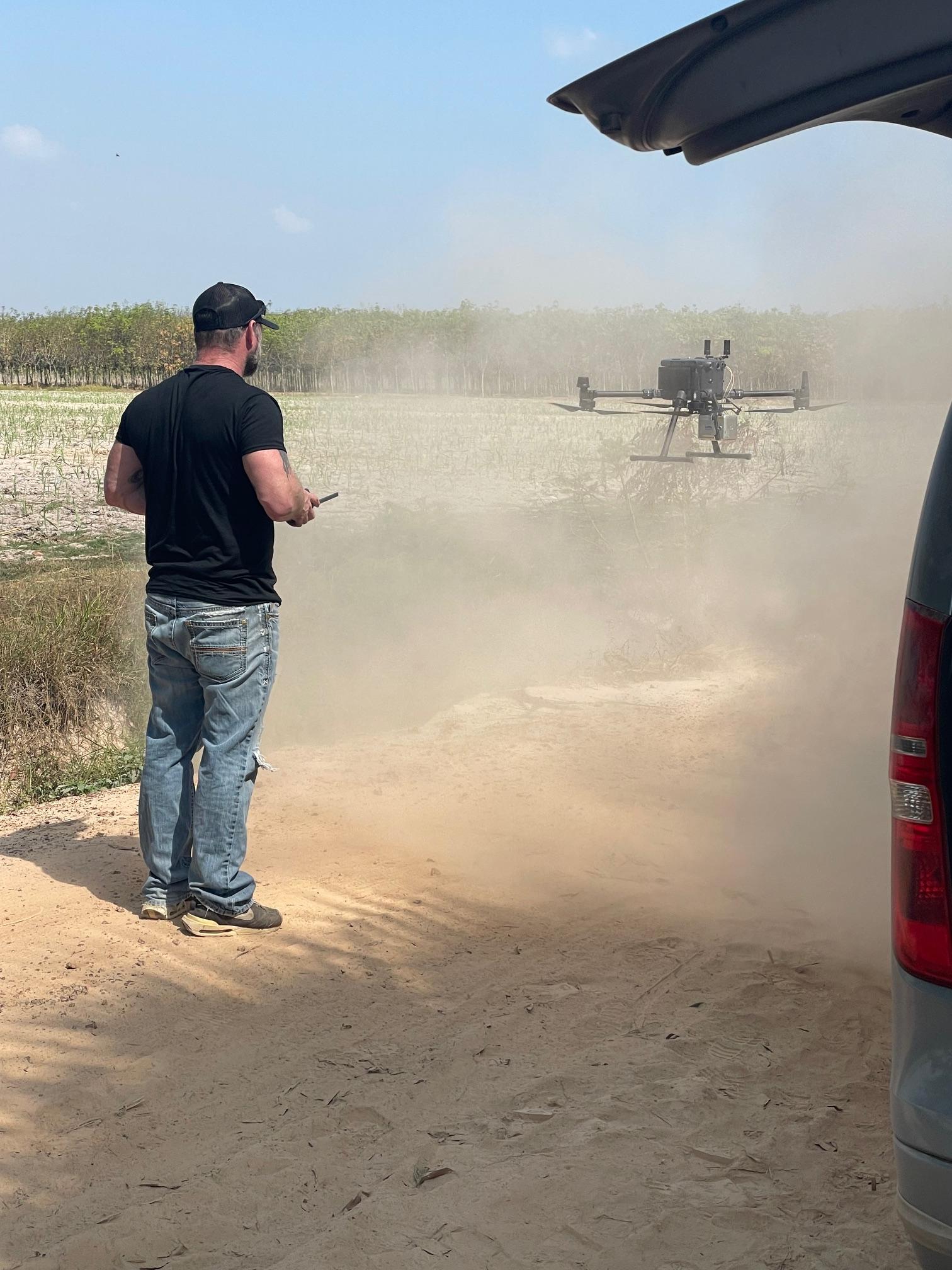
UAVs (Unmanned Aerial Vehicles) are transforming how search missions are conducted. Veterans trained in UAV operations gain a unique perspective that enhances mission success.
-
Eyes in the Sky: UAVs provide aerial views, helping identify potential search sites with greater accuracy.
-
Certification Process: Through rigorous training, veterans earn certifications that prepare them for complex operations. Discover more about UAV certification here.
-
Dynamic Capabilities: Drone technology allows for rapid deployment and efficient data collection, crucial for time-sensitive missions.
Veterans with UAV expertise bring an invaluable asset to every mission, ensuring thorough coverage and informed decision-making.
LiDAR Mapping Techniques
LiDAR mapping offers a transformative way to explore and document landscapes. This technology is a game-changer in locating historical sites and supporting humanitarian efforts.
-
Seeing the Unseen: LiDAR penetrates dense terrain, revealing features hidden to the naked eye.
-
Practical Applications: Veterans utilize this technology to create detailed maps, aiding in the planning and execution of missions.
-
Cross-Disciplinary Training: Combining LiDAR with fields like QGIS training and GPR surveys enhances analytical capabilities.
By mastering LiDAR mapping, veterans add a powerful tool to their mission toolkit, allowing for comprehensive exploration of potential sites.
The Humanitarian Mission

Empowered with advanced skills, veterans embark on a mission that transcends traditional roles. This mission is rooted in honoring promises and supporting those affected by loss.
Honoring the POW/MIA Promise
At the heart of every mission is the commitment to leave no one behind. Veterans, driven by this promise, engage in efforts that require dedication and integrity.
-
A Sacred Duty: Veterans are steadfast in their resolve to uphold this national promise, ensuring every effort is made to honor it.
-
Collective Memory: By documenting and sharing stories, veterans help keep the legacy of missing heroes alive.
-
Community Involvement: Engaging with local communities fosters collaboration and mutual respect, essential for mission success.
By honoring this promise, veterans not only pay tribute to those who served but also inspire hope for families still waiting.
Supporting Gold Star Families
Gold Star families are integral to the mission, their stories driving the search and recovery efforts forward.
-
A Heartfelt Mission: Veterans, alongside families, work to bring closure and support to those who have lost loved ones.
-
Collaborative Storytelling: By sharing their narratives, families help shape the mission’s direction and purpose.
-
Advocacy and Support: Veterans become advocates for these families, ensuring their voices are heard and their sacrifices acknowledged.
Supporting Gold Star families reinforces the mission’s compassionate core, emphasizing the importance of remembrance and unity.
Ethical Field Operations
Ensuring ethical conduct in field operations is paramount to maintaining the mission’s integrity. Veterans are trained to adhere to strict ethical standards.
-
Guiding Principles: Veterans follow a code that prioritizes respect for sites and communities.
-
Transparent Practices: Open communication with partners and stakeholders fosters trust and accountability.
-
Sustainability Focus: Missions are conducted with respect for environmental and cultural considerations.
Ethical field operations underscore the mission’s commitment to honor and respect, vital for preserving trust and cooperation.
Joining the Mission
The journey from training to mission-ready veterans is supported by a comprehensive pipeline and opportunities for involvement.
Veteran Training Pipeline
Tours of Duty provides a structured training pipeline that equips veterans with the skills needed for successful missions.
-
Holistic Development: Training covers technical skills, field operations, and leadership, ensuring well-rounded preparation.
-
Ongoing Support: Veterans receive continuous mentorship and guidance, fostering growth and confidence.
-
Community of Peers: A supportive network connects veterans, encouraging collaboration and shared learning.
This pipeline ensures veterans are ready to take on roles that require expertise and dedication, advancing the mission’s goals.
Sponsorship Opportunities
Supporting this mission involves more than participation; it extends to providing resources and opportunities for veterans.
-
Empowering Through Sponsorship: Sponsors play a crucial role in funding training and mission logistics.
-
Collaborative Impact: By joining forces with Tours of Duty, sponsors contribute to a cause that honors national commitments.
-
Recognition of Support: Sponsors are acknowledged for their contributions, reinforcing the mission’s shared values.
Sponsorship opportunities allow for broader engagement and support, driving the mission forward with purpose and resolve.
Call to Action: Apply Today
While the call to action section would typically contain a specific link or directive, the message remains clear: the mission is ongoing, and your involvement matters. Support the mission by spreading awareness, sponsoring a veteran’s training, or simply learning more about the cause. Together, we can uphold America’s promise and ensure no hero is forgotten.