
Understanding the Veteran-Led Approach to Humanitarian Search Missions Honoring America’s Missing
Most people assume search missions for missing servicemembers follow a simple path. The truth is far more complex—and carried out by veterans trained in research, ethics, and cutting-edge technology. This veteran-led humanitarian mission honors America’s promise to those still unaccounted for, supports Gold Star Families, and gives veterans renewed purpose in the field. Here’s how Tours of Duty leads that effort with integrity and precision. For more information, visit Tours of Duty’s blog on humanitarian missions.
Veteran-Led Humanitarian Missions

Veterans are at the heart of these missions, driving the commitment and skills needed for success. Their dedication ensures that every mission is carried out with precision and honor.
Core Values and Commitment
Veterans bring unique values to these missions. They understand the importance of honor and integrity. Each mission is a testament to their commitment to leaving no one behind. Veterans work tirelessly, motivated by the promise to their fallen comrades. The dedication they show is unmatched. Their efforts support missions in Southeast Asia and Europe. These regions require a deep understanding of the local history. Veterans are uniquely qualified to take on this challenge.
Veteran Training and Skills
Veterans undergo specialized training to ensure mission success. This includes learning to use advanced technology and conducting thorough historical research. The training pipeline equips veterans with the skills they need for field missions. For example, they learn to use LiDAR mapping and ground-penetrating radar (GPR). These tools help identify potential sites for investigation. Training also covers archival research techniques, ensuring a well-rounded skill set.
Technology in Search Operations
Technology plays a crucial role in these missions. Veterans use cutting-edge tools like drones and LiDAR to gather data. This technology allows them to document potential sites accurately. Drones provide aerial views, while GPR helps detect underground features. Combined, these tools offer a comprehensive understanding of the terrain. Advances in technology continue to improve mission outcomes, ensuring that veterans are well-equipped for any challenge.
Honoring Missing Servicemembers

The mission extends beyond search operations. It aims to honor the legacy of missing servicemembers and support their families. This section explores how various practices contribute to these goals.
Gold Star Family Integration
Gold Star Families are integral to the mission. Their stories and experiences provide valuable insights. Veterans work closely with these families, ensuring they are part of the search efforts. Tours of Duty provides a platform for families to share their narratives, fostering a sense of unity. This collaboration strengthens the mission and honors the sacrifices made by these families.
Ethical Field Documentation
Field documentation is conducted with the utmost respect and ethical considerations. Veterans ensure that every step follows strict ethical guidelines. This approach preserves the dignity of those they seek to honor. Documentation efforts aim to create a lasting historical record for future generations. Careful attention to ethics ensures that the mission is carried out with integrity, reflecting the values of the veterans involved.
Preservation of Historical Sites
Preserving history is an essential part of the mission. Veterans understand the importance of historical sites, working diligently to protect them. Their efforts safeguard these locations for future study and remembrance. By documenting sites accurately, veterans contribute to the greater understanding of historical events. The mission’s commitment to preservation ensures that the sacrifices of servicemembers are never forgotten.
Engaging with the Mission
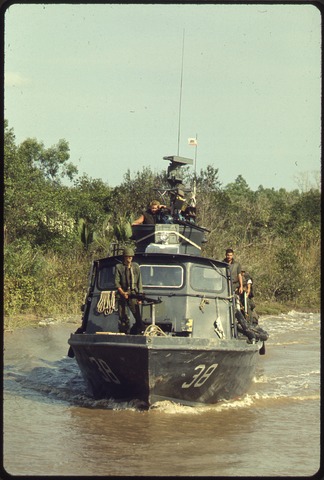
Involvement from the public and support for veterans are vital to the mission’s success. Here’s how you can engage with and support these efforts.
Supporting Veteran Training Pipeline
Supporting the training pipeline is crucial for mission success. Donations and partnerships help provide resources for veteran training. This support ensures that veterans have access to the latest technology and training. Contributing to the training pipeline empowers veterans, giving them renewed purpose and skills.
Opportunities for Public Involvement
The public plays a key role in the mission. There are many ways to get involved, from attending events to making donations. Engaging with the mission helps raise awareness and support. By participating, you contribute to the ongoing efforts to honor missing servicemembers. Your involvement makes a difference.
Connecting with Our Family Liaison
Tours of Duty offers a family liaison program to support Gold Star Families. This program provides a direct line of communication and support. Families can connect with veterans and mission leaders, sharing their stories and experiences. This connection fosters a sense of community and shared purpose, strengthening the mission’s impact.