
The Intersection of Honor and Service: A Veteran’s Promise
Too many missions claim to bring closure, yet thousands of missing servicemembers remain unaccounted for. Veterans step forward, driven by honor and service, to lead humanitarian search efforts that go beyond traditional means. This blog reveals how veteran-led missions carry America’s promise—no man left behind—offering renewed purpose while respecting families still waiting for answers. Learn more about how you can support this mission here.
Honor and Service in Search Missions
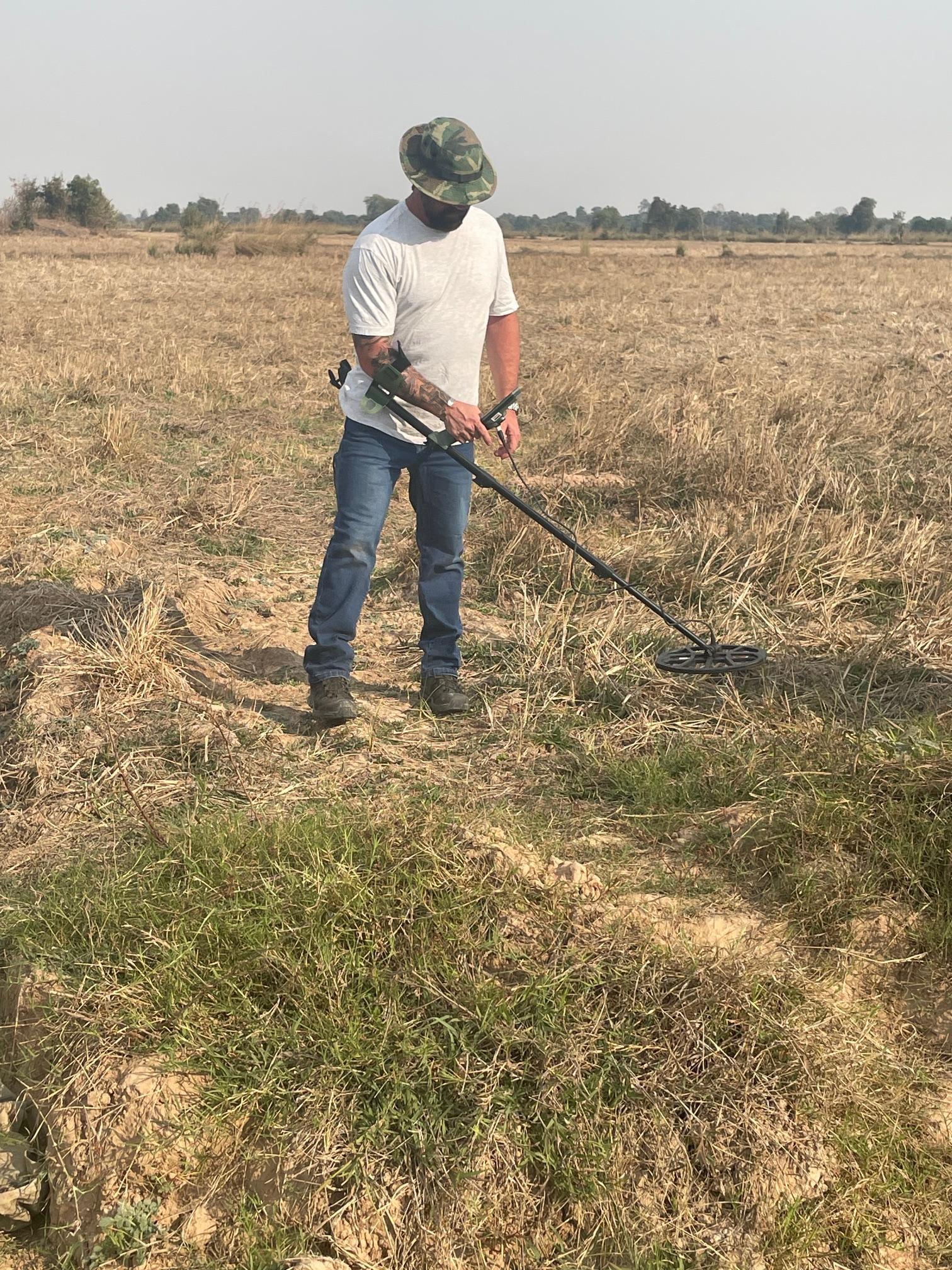
Every mission is guided by a deep commitment to honor and service. This ethos drives veterans to lead efforts that seek to locate America’s missing heroes.
Role of Veteran-Led Missions
Veteran-led missions bring unique advantages to the field of search and recovery. Veterans possess invaluable skills honed through years of service. They know how to adapt to challenging environments and maintain focus under pressure. Their dedication to the mission stems from a shared bond with those who never returned, creating a powerful drive to complete the promise of bringing them home.
These missions aren’t just about searching. They offer veterans a renewed sense of purpose. By joining these efforts, veterans can reconnect with their desire to serve, which can be a transformative experience. As they gather historical evidence and collaborate with experts, they contribute to a cause much larger than themselves. It’s a mission that honors both those still missing and those who continue to serve.
Humanitarian Search and Recovery Efforts
Humanitarian missions led by veterans focus on thorough research and respectful searches. These efforts combine modern technology with traditional investigative methods to document potential sites where missing servicemembers may rest. Through collaboration with local communities and historians, the missions piece together vital information, ensuring that every lead is pursued with precision.
Veteran teams are dedicated to maintaining the integrity of these sites, respecting their historical significance. Their work extends beyond mere recovery; it preserves the stories and sacrifices of those who served. As they continue to push boundaries, these missions remind us all of the enduring promise: no man left behind. This approach not only honors the past but also provides hope and closure for families who have waited decades.
Veterans’ Commitment to America’s Promise

Veterans carry the weight of America’s promise to leave no one behind. Their commitment is unwavering, driving them to fulfill this sacred duty.
Empowering Purpose Through Service
Veterans find renewed purpose through their service in search missions. Many have faced the challenges of transitioning from military life to civilian life. These missions offer them a chance to reconnect with their roots of service and camaraderie. They are not just participants but leaders who guide and mentor others. This role empowers them, providing a path to personal growth and fulfillment.
The missions also foster a sense of community. Veterans work alongside fellow servicemembers and families, creating bonds that transcend the mission itself. Together, they share stories, support one another, and work towards a common goal. This sense of belonging and purpose can be transformative. It helps veterans find their place in the world, knowing they are contributing to something greater.
The Impact on Gold Star Families
For Gold Star families, the impact of these missions is profound. Many have waited years, some even decades, for answers about their loved ones. The search efforts bring hope and reassurance that their sacrifices are not forgotten. These families are an integral part of the mission, providing insights and sharing stories that guide the search teams.
Their involvement ensures that the mission remains personal and heartfelt. It is a partnership built on trust and respect. As the missions progress, families often find solace in knowing that dedicated teams are actively working to honor their loved ones. This connection fosters healing and offers a sense of closure, even if the ultimate answers remain elusive.
Advancing Technology in Search and Recovery

Technology plays a crucial role in enhancing the effectiveness of search missions. It supports veterans in their quest to fulfill America’s promise.
Documenting Potential Sites
Advanced technology helps veterans document potential sites with precision. Tools like LiDAR and drones allow teams to map and analyze vast areas efficiently. This technology uncovers details that might otherwise be missed, offering new insights into historical sites. By using these tools, veterans can gather critical data quickly, focusing their efforts where it matters most.
These documented sites become valuable resources for historians and researchers, adding pieces to the puzzle of our past. They help ensure that every effort is made to locate missing servicemembers. The use of technology not only advances the mission but also preserves the integrity of historical sites for future generations.
Preserving History with Precision
Precision is key when it comes to preserving history. Veterans utilize a combination of technology and traditional methods to ensure that every step of the search is conducted with care. This meticulous approach ensures that the mission honors the legacy of those who served.
The documentation and preservation efforts extend beyond search missions. They are shared with museums, educational institutions, and the public to raise awareness and educate future generations about the sacrifices made by our servicemembers. By combining technology with a deep respect for history, veterans ensure that the stories of the missing continue to inspire and educate.
In conclusion, veteran-led missions embody the intersection of honor and service. Through their dedication and use of advanced technology, veterans are fulfilling America’s promise to bring every hero home, offering hope and purpose to families and communities.
Donate Today: https://fnd.us/TODCambodia?ref=sh_4CkiMc