
Empowering Veterans: Building Effective Training Programs for Humanitarian Missions
Most veterans want to serve beyond the battlefield but lack the right training to lead humanitarian missions. Veteran training programs bridge that gap, giving you the skills to carry forward vital search and recovery efforts. This is about more than missions—it’s about veteran empowerment and honoring Gold Star families still waiting for answers. Here’s how effective training opens the door to renewed purpose and lasting impact. Learn more about veteran training programs.
Importance of Veteran Training Programs

Veteran training programs are vital in equipping you with the skills needed to take on humanitarian missions. These programs ensure that your expertise is utilized in efforts that honor America’s missing servicemembers, creating a lasting impact.
Empowering Veterans for Humanitarian Missions
Your drive to serve doesn’t end with military service. Training programs offer a pathway to continue making a difference. They prepare you for roles in humanitarian missions, where your experience can save lives and provide hope. By joining these programs, you gain the tools needed to lead critical missions, allowing you to make meaningful contributions beyond the battlefield. This opportunity to serve in new ways empowers you and helps fulfill America’s promise to leave no one behind.
Training goes beyond the technical. It offers a chance to reconnect with a sense of purpose and community. As you engage in missions that honor fallen heroes, you’re reminded of the value of your service. Your role becomes crucial in bringing closure to families waiting for answers, reinforcing the impact these missions have on both personal and national levels.
Enhancing Skills for Search and Recovery
Veteran training programs refine your skills, focusing on search and recovery initiatives. You’ll learn to apply forensic techniques and historical research to locate potential sites, increasing the effectiveness of these humanitarian efforts. These skills are developed not just through classroom learning but through real-world applications that challenge and engage you. As you work on identifying and documenting potential sites, you’re part of a mission that honors those who have served.
The power of technology is a key component. You’ll be trained in using tools like drones and mapping software, which enhance your ability to conduct thorough searches. This technological edge ensures that your efforts are precise and impactful, making each mission more successful. The knowledge you gain not only strengthens your capabilities but also adds depth to the mission itself, bringing hope to those still waiting.
Honoring Gold Star Families
Gold Star families hold a special place in these missions. Your participation in veteran training programs helps honor their sacrifices by actively working towards bringing their loved ones home. It’s a noble path that requires dedication and sensitivity, ensuring their stories and sacrifices are never forgotten. This aspect of the mission adds an emotional and moral dimension to your work, deepening your connection to the cause.
Through these programs, you become an advocate for families who have endured long waits for closure. Your efforts in search and recovery are not just about finding sites; they’re about providing a beacon of hope for those who have given so much. The impact of your work extends beyond physical recovery; it’s about healing and remembrance, ensuring that the legacy of fallen heroes continues to inspire.
Components of Effective Training
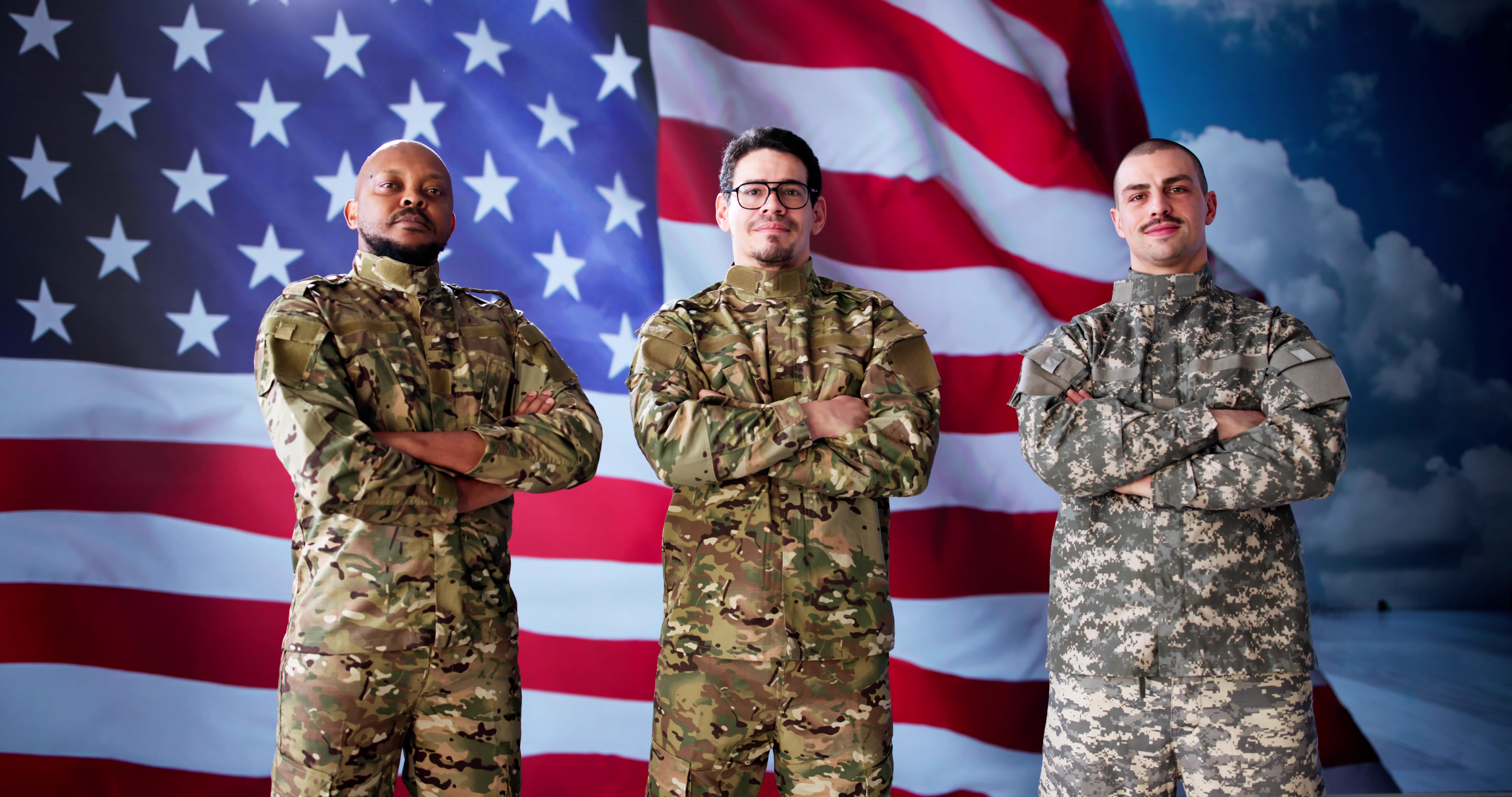
Training for humanitarian missions requires a comprehensive approach. The components of effective programs include field operations, forensic analysis, historical research, and leadership development.
Field Operations and Forensic Analysis
Field operations are at the heart of training. You’ll gain hands-on experience in challenging environments, learning to adapt and thrive. This preparation is crucial for success in humanitarian missions, where conditions can change rapidly. With proper training, you’ll become adept at navigating these challenges, ensuring mission objectives are met efficiently.
Forensic analysis is another critical aspect. You’ll learn to apply forensic techniques to identify potential sites, a skill that enhances the mission’s outcomes. Practical exercises in forensic labs, combined with fieldwork, ensure that you’re well-prepared. This holistic approach to training equips you with the expertise needed to perform your duties with confidence and precision.
Historical Research and Technology Application
Understanding the past is key to future success. Training programs emphasize the importance of historical research in informing search and recovery missions. You’ll delve into archives and historical records, piecing together the narratives that guide your efforts. This research is complemented by modern technology, which you’ll learn to apply effectively in the field.
Technological tools like drones and LiDAR mapping provide a significant advantage. These innovations allow for thorough site assessments, increasing the accuracy of your missions. By integrating historical insights with cutting-edge technology, you enhance the mission’s potential, ensuring that no detail is overlooked. This comprehensive training approach empowers you to achieve meaningful results that honor America’s heroes.
Building Leadership and Purpose
Leadership is a cornerstone of effective training. Programs focus on developing your ability to lead missions with integrity and purpose. You’ll be taught how to inspire others and make informed decisions in high-pressure situations. This leadership training equips you to guide missions that have a profound impact on veteran communities and Gold Star families.
The sense of purpose gained from these programs is invaluable. As you take on leadership roles in humanitarian missions, you’ll find a renewed connection to service. This purpose drives your efforts, ensuring that each mission contributes to the broader goal of honoring and remembering those who served. Your leadership not only advances the mission but also inspires others to join the cause, strengthening the collective effort.
Call to Action: Join the Mission
Your involvement is crucial in advancing these important missions. By supporting veteran training programs, you contribute to the success of efforts that honor our nation’s heroes.
Support Veteran Empowerment and Training
Your support plays a vital role in empowering veterans. By backing training programs, you help provide the resources needed to equip veterans with essential skills. This support ensures that they can continue to serve in impactful ways, fulfilling a commitment to honor America’s missing servicemembers.
Volunteer and Make a Difference
Volunteering offers a direct way to contribute. Join the mission by becoming involved in search and recovery efforts. Your participation helps advance the cause, bringing us closer to achieving the goal of honoring our heroes. Every effort counts, and your involvement makes a tangible difference in the mission’s success.
Donate to Honor America’s Heroes
Donations are key to sustaining these efforts. By contributing, you help fund training programs that empower veterans to lead humanitarian missions. Your generosity ensures that the mission continues, honoring those who have served and supporting their families. Together, we keep America’s promise alive, ensuring that no hero is forgotten.
Donate Today: https://fnd.us/TODCambodia?ref=sh_4CkiMc