
Shining Light on History: How Advanced Field Technologies Illuminate Forgotten Battlefields
Forget the old ways of searching forgotten battlefields. Tours of Duty combines veteran expertise with advanced field technologies like LiDAR, GPR, and drones to shine light on hidden stories. This approach honors missing servicemembers and supports Gold Star families while giving veterans renewed purpose through humanitarian missions. Here’s how these technologies bring history back to life—and why it matters to you. Learn more about forgotten battlefields here.
Advanced Technologies in Battlefield Exploration

Imagine a world where hidden stories of the past can come alive. Tours of Duty uses cutting-edge tools to uncover these stories and honor missing servicemembers. Here’s how.
The Role of LiDAR and GPR
LiDAR and GPR are like magic wands for battlefield exploration. LiDAR scans large areas from above, creating maps that reveal hidden features below dense forests or modern landscapes. This technology has the power to detect subtle changes in terrain, uncovering paths and relics long buried by time. For instance, in dense jungles, LiDAR can reveal ancient trenches and roads, allowing us to piece together the story of lost battles.
GPR works differently. It sends radar pulses into the ground to detect what lies below. This is especially helpful for finding underground structures or objects without disturbing the environment. Together, these tools provide a detailed picture of forgotten battlefields, helping us understand their stories without digging or disturbing the land. Both technologies are essential for historical preservation and honoring those who served on these lands. Dive deeper into the technologies here.
Drones: Eyes in the Sky
Drones offer a bird’s-eye view, making them indispensable in battlefield exploration. They allow teams to survey vast areas quickly and efficiently. With high-resolution cameras, drones capture detailed images that help identify potential sites of interest. These detailed visuals enable researchers to spot anomalies or patterns in the landscape that might indicate hidden historical features.
Drones are not just about taking pictures; they also help plan missions. By providing real-time data, they guide ground teams to areas worth exploring more closely. This ensures that resources are used wisely and that every mission has the best chance of success. The use of drones ties in seamlessly with other advanced field technologies, creating a comprehensive approach to uncovering the past. Learn more about their impact here.
Veteran-Led Humanitarian Missions

The heart of Tours of Duty lies in its veteran-led missions. These missions not only preserve history but also empower veterans with renewed purpose.
Preserving History with Veteran Expertise
Veterans bring unique skills to these missions. Their military training and experiences equip them to handle the challenges of field exploration. This expertise is vital for safely navigating difficult terrains and understanding the significance of battlefield sites. Veterans apply their knowledge to interpret the data from LiDAR and GPR scans, providing insights that guide each mission’s direction.
This connection to history is personal for many veterans. They understand the importance of preserving these sites for future generations. By participating in these missions, they honor fallen comrades and ensure that their stories continue. This work fosters a sense of purpose and pride, as veterans contribute to a mission that resonates deeply with their past service.
Supporting Gold Star Families
Gold Star families are at the heart of Tours of Duty’s mission. These families live with the pain of unanswered questions about their loved ones. The work of Tours of Duty aims to provide some solace by uncovering stories and preserving the history of where these servicemembers once stood.
By involving Gold Star families in the mission, Tours of Duty creates a community of support and remembrance. It’s about more than just the search; it’s about healing and honoring the memory of those who served. This initiative offers families a chance to connect with others who share similar experiences, fostering a network of understanding and empathy.
Honoring Missing Servicemembers
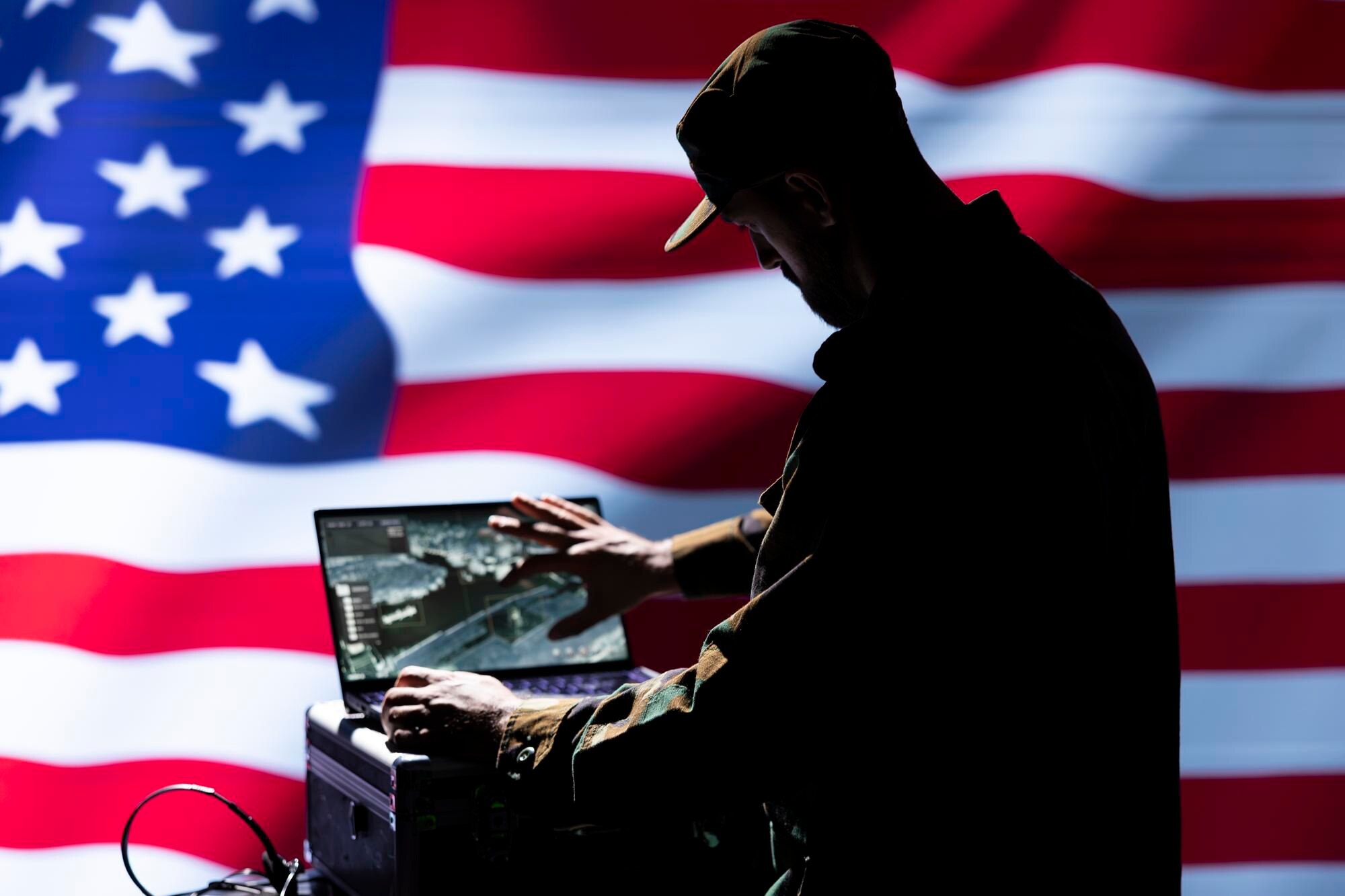
The promise to leave no one behind is at the core of Tours of Duty. This promise drives every mission and inspires every team member.
Reconnecting Veterans to Service
For many veterans, the transition to civilian life can feel like leaving behind a part of themselves. Tours of Duty provides an opportunity to reconnect with that sense of service. By participating in missions that honor missing servicemembers, veterans find renewed purpose and camaraderie.
These missions are not just about exploring the past; they’re about creating a meaningful present for veterans. Engaging in this work helps bridge the gap between military and civilian life, offering veterans a sense of belonging and contribution. This renewed connection to service is invaluable, as it empowers veterans to continue making a difference.
Fulfilling America’s Sacred Promise
America’s promise is simple: No Man Left Behind. Tours of Duty embodies this promise through every mission. By using advanced technologies and veteran expertise, the organization strives to bring closure to families and honor those who served.
This mission is not just about history—it’s about fulfilling a national duty. Each effort to uncover forgotten battlefields and preserve their stories is a step toward keeping that promise. Tours of Duty stands as a guardian of remembrance and a beacon of hope for families and veterans alike. Together, we carry the torch of this mission, ensuring that the sacrifices of our servicemembers are never forgotten.
In summary, the work of Tours of Duty is a testament to the power of technology and the human spirit to honor and remember. Through advanced field technologies and veteran-led efforts, the organization continues to illuminate the forgotten stories of battlefields and fulfill America’s sacred promise.