
How Cutting-Edge Technology Advances POW/MIA Research Efforts: A New Chapter in Honor and Remembrance
Forget everything you know about POW/MIA research. For decades, families waited in silence, hoping for answers that seemed out of reach. Now, advanced technology like LiDAR, GPR, and drones in humanitarian missions are changing the pace and precision of veteran-led missions, bringing new clarity to historical documentation and the search for missing servicemembers. This is how today’s tools carry forward America’s sacred promise: No Man Left Behind. Read more about these advancements.
Technology Leading the Charge
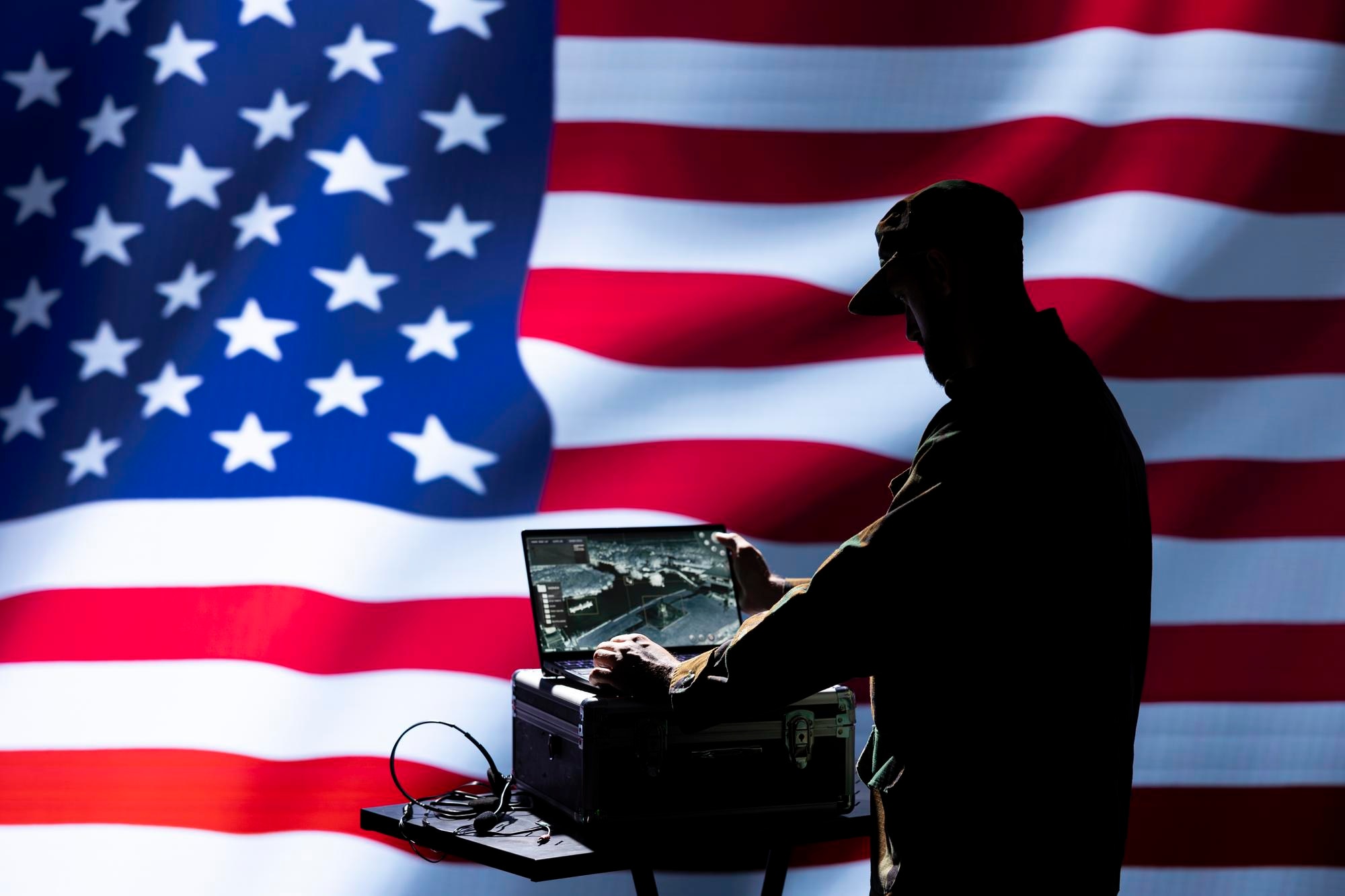
Today’s search missions for missing servicemembers are driven by remarkable technology. These innovations help reveal what was once hidden, shining a light on history’s mysteries.
LiDAR and Its Impact
Imagine seeing through dense forests or rugged terrain as if they were transparent. That’s what LiDAR—Light Detection and Ranging—does for researchers. By sending laser pulses from aircraft, LiDAR maps terrain in incredible detail. This method has revolutionized how we document potential sites. For example, dense jungles in Southeast Asia can hide clues about past events. But with LiDAR, we can identify features on the ground, sometimes revealing paths or structures long forgotten. Its precision helps guide teams to specific areas worth exploring. This technology isn’t just about seeing; it’s about understanding the lay of the land and the stories waiting to be told.
Drones in Humanitarian Missions
Drones have become the eyes in the skies for many missions. Lightweight and agile, they can cover vast areas quickly. They capture high-resolution images and videos, sometimes reaching spots inaccessible by foot. This bird’s-eye view is crucial in evaluating sites. For instance, when traditional methods fall short, drones provide real-time data, helping teams decide where to focus their attention. Furthermore, drones support efforts to map the terrain or monitor changes over time, offering insights that ground surveys might miss. These aerial helpers are vital in ensuring missions proceed efficiently and safely.
GPR: Uncovering Hidden Histories
Ground Penetrating Radar (GPR) is like a detective tool, looking beneath the surface without disturbing it. This technology sends radar pulses into the ground, detecting differences in materials below. For historians and researchers, GPR is invaluable. It identifies anomalies below the surface, be they metal fragments or changes in soil composition. This method is particularly helpful in historical sites, where excavation is risky or impractical. By using GPR, we ensure a careful approach, respecting the integrity of these sacred places while gaining insights into their past.
Veteran-Led Missions

Veterans bring unique skills and dedication to these missions. Their commitment and expertise drive the search for answers, adding layers of purpose and connection to the efforts.
Empowering Veterans Through Purpose
For many veterans, the mission doesn’t end with their service. Engaging in search and recovery operations offers them a renewed sense of duty. These missions provide a chance to reconnect with their skills and serve a cause bigger than themselves. Veterans often use their military training to navigate challenging environments, demonstrating resilience and leadership. By involving veterans, missions gain a wealth of experience and a shared dedication to the promise that no one is left behind. This work not only honors the missing but also empowers those who once served alongside them.
The Role of Historical Documentation
Every mission is rooted in history. Historical documentation plays a pivotal role in guiding current efforts. Through meticulous research, stories are pieced together, providing context and direction. Archival records, maps, and personal letters offer clues about where to search and what to look for. This information helps teams understand past events more clearly, ensuring no stone is left unturned. By preserving and analyzing these documents, we honor the memories of those who served and the families still waiting for closure.
Honoring and Remembering
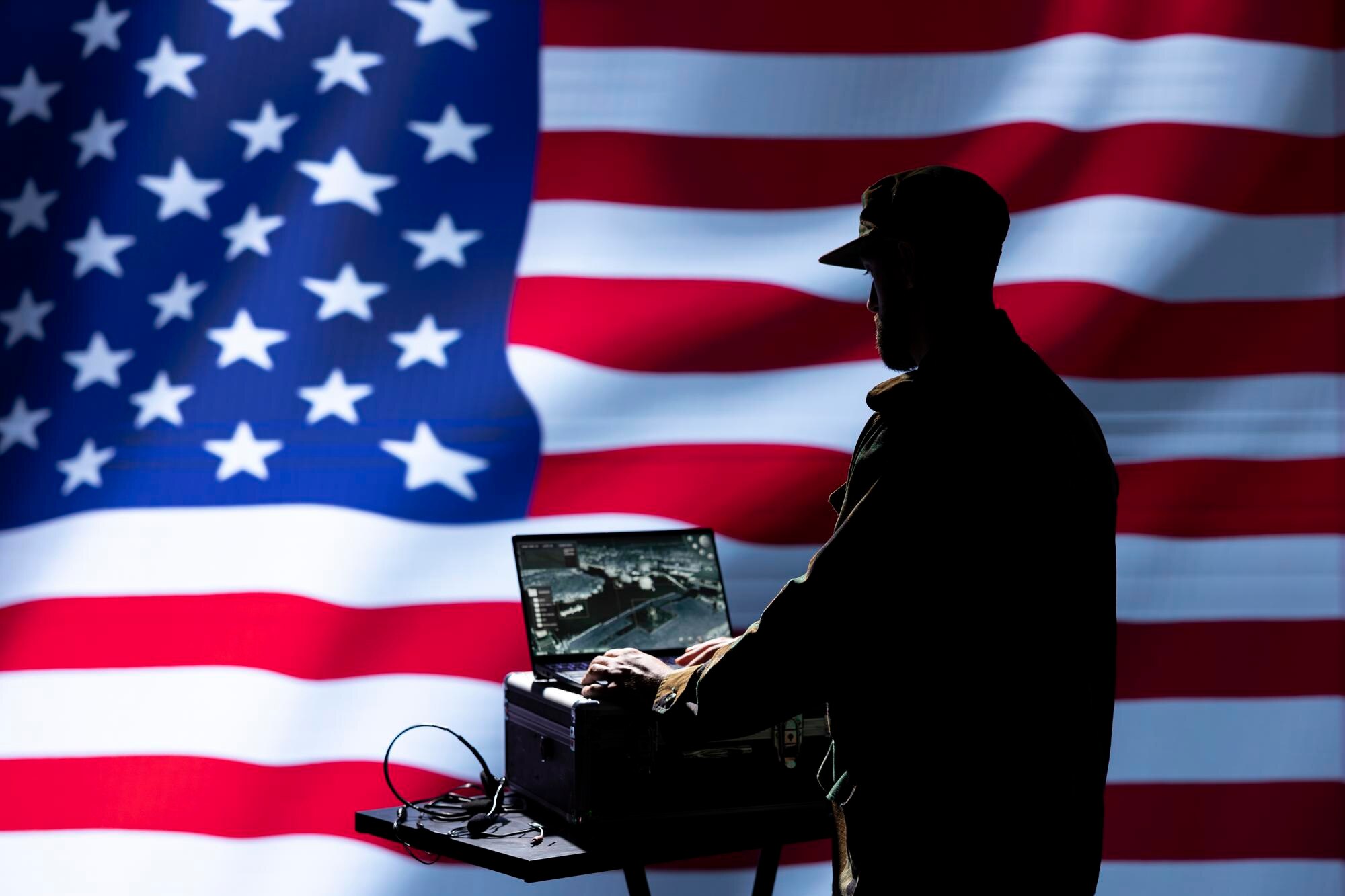
The mission to find missing servicemembers is driven by a profound sense of duty and respect. It’s about preserving their legacy and supporting those who remember them.
The Sacred Promise: No Man Left Behind
America’s promise to its servicemembers is unwavering: no man left behind. This commitment is not just a saying—it’s a mission. Every effort made in the search for the missing serves as a testament to this sacred vow. It’s about honoring the sacrifices of those who served and ensuring their stories are not forgotten. This promise drives every mission, reminding us of the importance of remembrance and the impact of dedication.
Supporting Families and Communities
Families of missing servicemembers live with unanswered questions. Supporting them is a vital part of the mission. Through outreach and communication, we offer understanding and hope. Communities also play a role, coming together to honor the missing and support ongoing efforts. Whether through commemorative events or educational programs, these initiatives strengthen the bond between past and present. Together, we ensure that the legacy of those who served continues, bringing comfort to families and pride to communities.
Donate Today: https://fnd.us/TODCambodia?ref=sh_4CkiMc