
Harnessing Innovation: How LiDAR and UAVs Revolutionize Battlefield Research
Forget the days when battlefield research meant endless footwork and guesswork. Today, Tours of Duty harnesses LiDAR and UAVs to map hidden terrain and document potential sites with unmatched precision. This blend of advanced technologies drives veteran-led missions focused on honoring missing servicemembers and supporting Gold Star families still waiting for answers. Read more about how technology is shaping modern battlefields here.
LiDAR in Battlefield Research
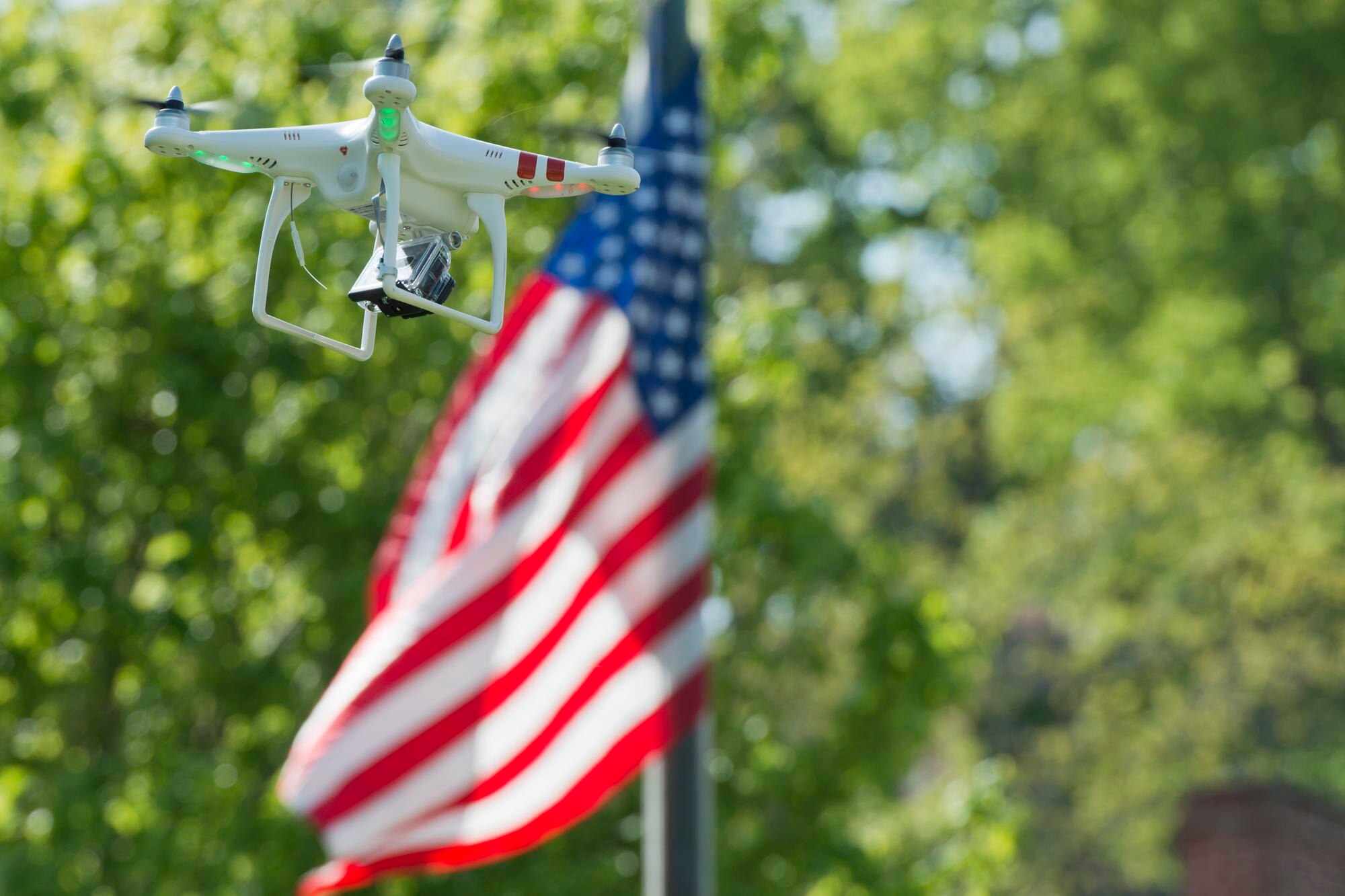
LiDAR is reshaping the way we view historical battlefields by offering an unseen glimpse beneath the surface. This technology is pivotal in shedding light on lost history.
Precision Mapping Techniques
LiDAR, which stands for Light Detection and Ranging, uses light in the form of a pulsed laser to measure distances. You might wonder why this matters to battlefield research. Well, it turns terrain mapping into an exact science. Imagine standing over a dense forest and being able to see the ground below as clearly as if the trees were invisible. That’s the magic of LiDAR. Its precision is unmatched, with readings accurate to a few centimeters. This allows researchers to create detailed maps that guide further exploration. By removing the guesswork, LiDAR helps Tours of Duty focus efforts where they matter most.
Picture the historical sites that lie hidden under centuries of overgrowth. With LiDAR, these sites are unveiled, letting us tread where history was made. This technology makes it possible to document these places with precision, preserving their stories. Instead of physically disturbing these sites, LiDAR provides a non-invasive way to study them. This helps maintain their integrity for future generations. The information gathered becomes a treasure trove of insights for historians and researchers alike. By using this technology, we ensure these sites are not lost to time but are remembered and honored.
Historical Site Documentation
Documenting historical sites is crucial not only for preserving history but also for connecting us to the past. LiDAR’s role here is invaluable. By mapping these sites, we maintain a detailed record that stands the test of time. Imagine being able to explore battlefields from your own home, understanding the terrain and its story without setting foot on it. Through this documentation, Tours of Duty brings history closer to you, allowing us all to honor the sacrifices made on these grounds.
Using LiDAR, we create a digital archive, a lasting testament to the bravery and sacrifice of those who fought. This archive serves as a resource for families, historians, and anyone interested in military history. It allows us to tell the stories of those who served, ensuring their legacy lives on. With each scan, we add to this growing repository, a reminder of the past and a guide for the future. Through these efforts, we fulfill our promise to never forget those who came before us.
UAVs Enhancing Search Missions
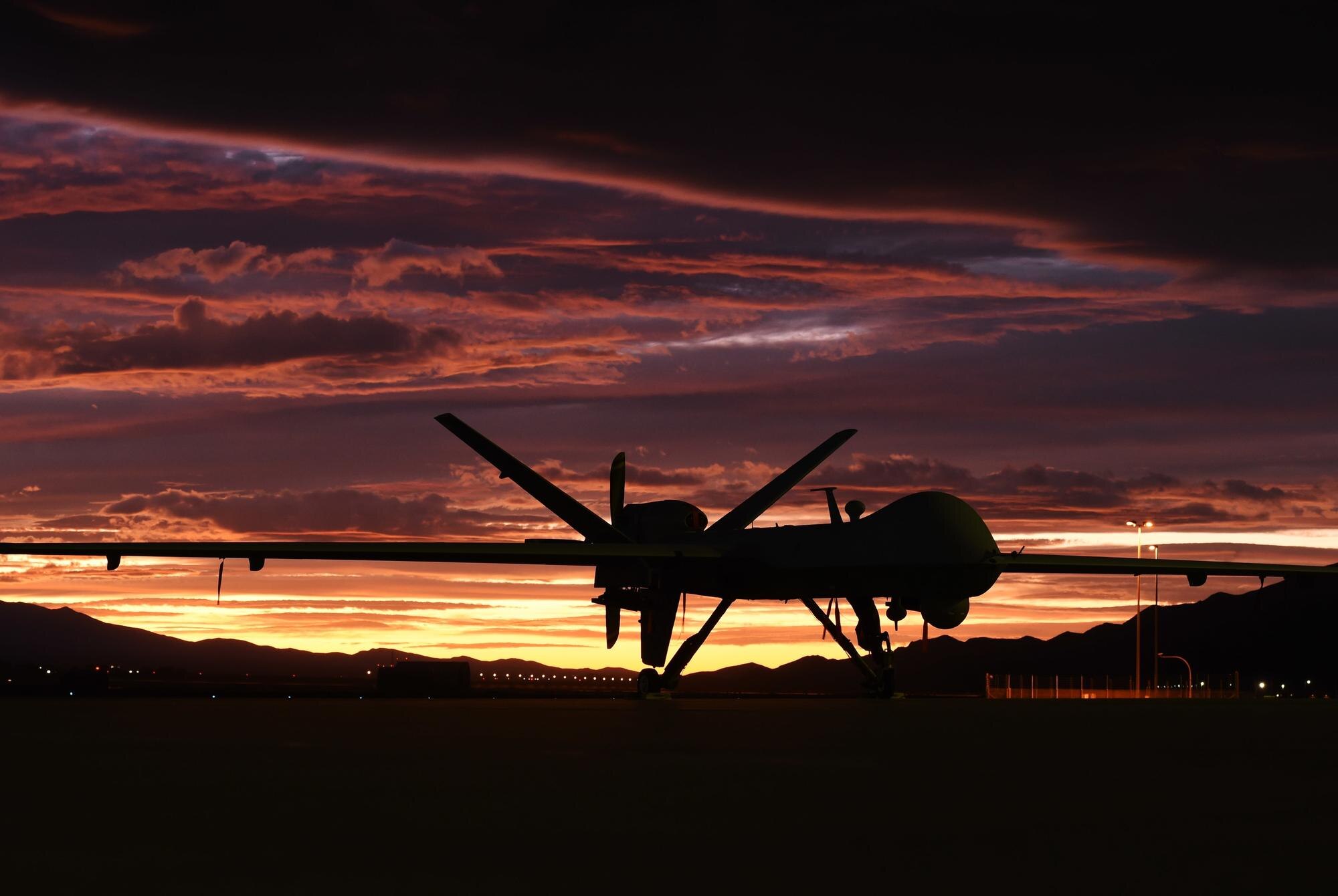
Moving from the ground to the sky, UAVs provide a bird’s-eye view that transforms search missions. Their ability to cover vast areas quickly is a game-changer for battlefield exploration.
Aerial Reconnaissance Benefits
Unmanned Aerial Vehicles, or UAVs, bring a new dimension to battlefield research. Imagine being able to survey large areas from above, gathering crucial data in real-time. UAVs enable this with ease, eliminating the physical and logistical challenges of traditional reconnaissance methods. They allow us to see more, cover more ground, and do so swiftly and efficiently. This speeds up the research process, ensuring we can focus our efforts where they’re needed most. By using UAVs, Tours of Duty can explore areas once considered inaccessible or too dangerous.
The advantages of UAVs extend beyond just their reach. Their ability to capture high-resolution images provides detailed insights into the terrain. This aids in identifying potential sites of interest, guiding further investigation. UAVs also offer a safer alternative to on-the-ground reconnaissance, reducing risks to personnel. As a result, these drones are not just tools but vital partners in our mission to honor the missing and support their families. Learn more about how drone technology is shaping future battlefields here.
Real-time Data Collection
One of the standout features of UAVs is their ability to collect data in real-time. This immediacy is crucial when time is of the essence. Imagine being able to make decisions based on the most current information available. UAVs make this possible by transmitting data back to researchers instantly. This allows for rapid analysis and response, ensuring no detail is overlooked. The longer you wait, the more you risk missing. Real-time data collection ensures every moment counts.
This capability transforms how we approach search missions. Instead of relying on outdated maps or unreliable reports, we have the latest information at our fingertips. This enhances our ability to locate and document potential sites, fulfilling our mission to honor those who served. By using UAVs, we ensure our efforts are guided by the most accurate data, strengthening our commitment to leaving no stone unturned in our search for the missing.
Tours of Duty’s Impact
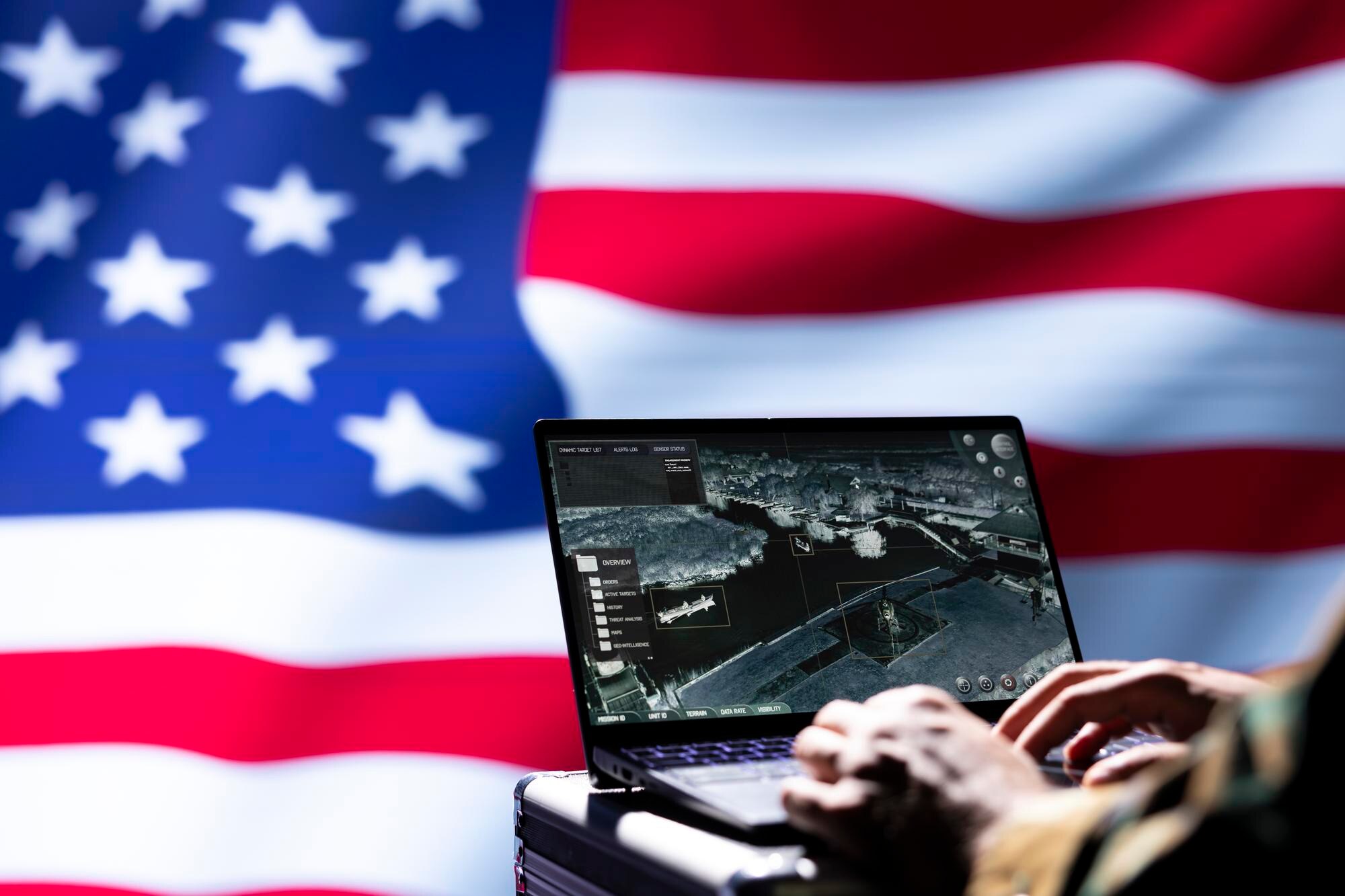
The fusion of LiDAR and UAVs is more than just technological advancement; it represents a profound shift in how we connect with the past. This is at the heart of Tours of Duty’s mission.
Veteran-led Humanitarian Efforts
Veterans lead the charge in these missions, bringing their skills and dedication to the forefront. Their firsthand experience in military operations translates seamlessly into these humanitarian efforts. Tours of Duty empowers veterans by giving them a new purpose—one that continues their service in a meaningful way. This isn’t just about technology; it’s about people coming together to honor a promise. Veterans take on roles as search operators, forensic technicians, and historical investigators. Their expertise is invaluable, guiding missions with a sense of duty and honor.
Being veteran-led means understanding the importance of what we do on a personal level. It’s about honoring those who served alongside them and ensuring their stories are not forgotten. Through their leadership, Tours of Duty makes significant strides in battlefield research, driven by a commitment to bring closure to families and respect to the memory of the missing. Most people think technology is the hero here, but it’s the veterans who make it all possible.
Supporting Gold Star Families
Gold Star families are at the core of our mission. Their unwavering strength and resilience inspire every effort we undertake. Tours of Duty is committed to supporting these families by sharing their stories and advocating for their loved ones. We understand the profound impact of their loss and strive to offer solace through action. Our work aims to bring answers to those who have waited too long. By engaging with these families, we ensure their voices are heard and their sacrifices recognized.
Supporting Gold Star families goes beyond search missions. It’s about building a community where they feel valued and understood. By connecting them with veterans and researchers, we create a network of support and remembrance. This collaboration ensures that their stories are preserved and their loved ones honored. Through our efforts, we aim to provide a sense of closure and peace to these families, fulfilling our promise to leave no one behind. The key insight is that our mission extends beyond the battlefield—it’s a commitment to those who carry the weight of remembrance every day.
By embracing advanced technologies like LiDAR and UAVs, Tours of Duty not only revolutionizes battlefield research but also reaffirms its dedication to honoring America’s missing servicemembers and their families. Through these efforts, we uphold a sacred promise, ensuring that no hero is forgotten.
Donate Today: https://fnd.us/TODCambodia?ref=sh_4CkiMc