
Teaching the Promise: How Public Education Sustains the Mission to Honor America’s Missing Heroes
Public education holds a powerful role in keeping the promise to honor America’s missing heroes. Through classrooms, museums, and civic programs, communities stay connected to the sacrifices of our missing servicemembers and Gold Star Families. You’ll see how historical education and veteran-led missions come together to preserve remembrance and empower veterans with renewed purpose—then learn how you can bring this mission to your own community. Learn more about honoring America’s heroes.
Public Education’s Role in Remembrance
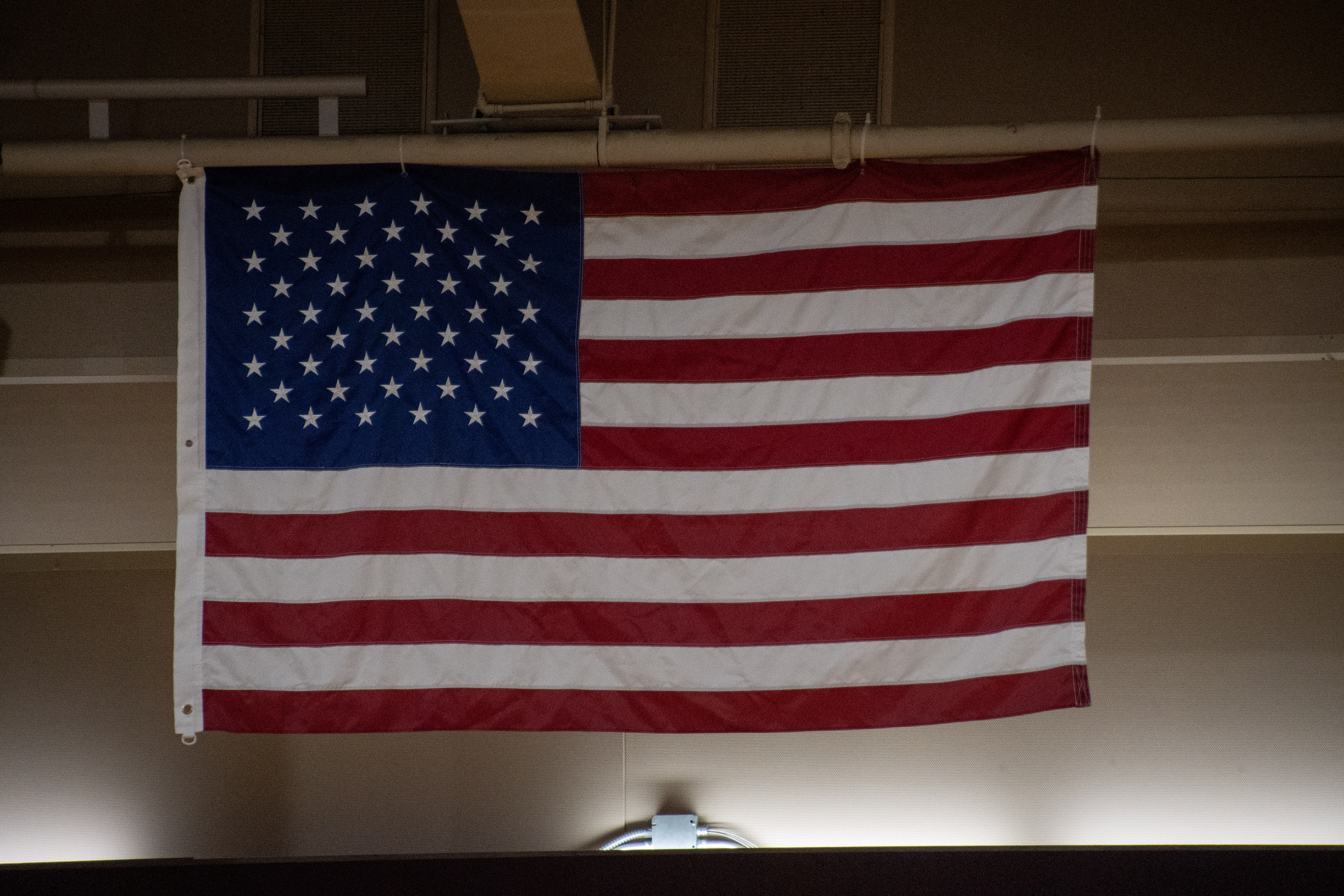
Public education connects communities with the stories of missing servicemembers and Gold Star Families. Through classrooms, museums, and civic programs, the legacy of these heroes is honored and remembered.
Classrooms as Guardians of History
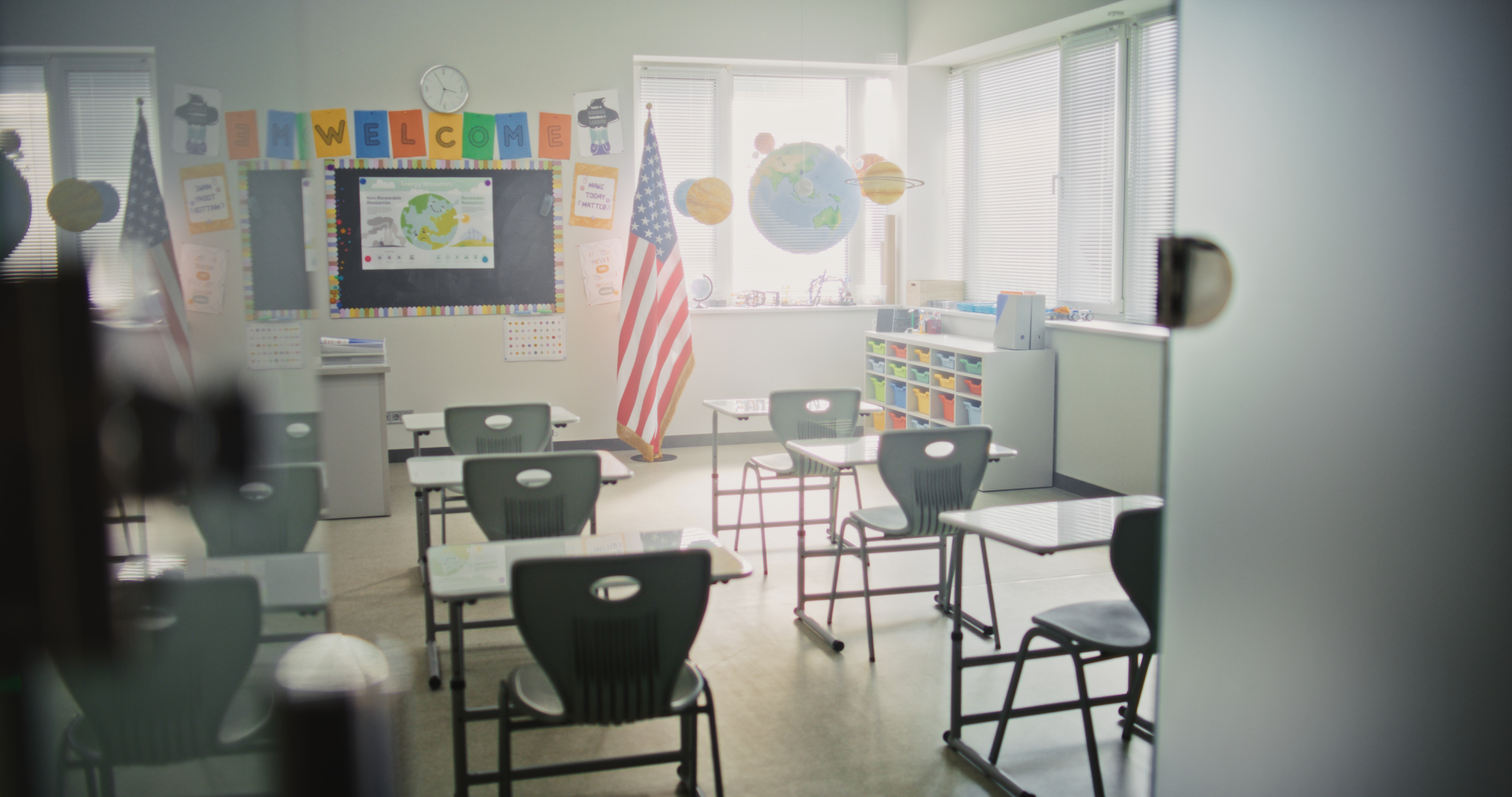
Classrooms play a vital role in keeping history alive. Teachers bring the stories of missing servicemembers into the curriculum, ensuring that students understand the sacrifices made.
-
Example: A teacher shares letters from soldiers, offering a personal glimpse into the past. Students learn not just facts, but the emotions and decisions that shaped history.
Incorporating primary sources and interactive lessons, classrooms become places where history is not just learned but felt. When you teach about POW MIA, you are preserving their memory for future generations.
Museums Preserving Heroic Stories
Museums are treasure troves of history. They house artifacts and exhibits that tell the tales of bravery and sacrifice.
-
Example: A museum might display a soldier’s uniform alongside a video interview with a veteran, providing a powerful narrative.
By visiting museums, students and families can engage with history in a tangible way. These experiences foster understanding and respect for those who served.
Civic Programs Mobilizing Communities
Civic programs bring communities together to honor those who sacrificed. Events like parades and memorial services provide opportunities for everyone to participate in remembrance.
-
Example: On National POW MIA Day, communities gather to honor missing servicemembers. These events remind us of the ongoing mission to bring every hero home.
Through these programs, communities unite in a shared purpose, ensuring that the stories of our missing heroes are never forgotten.
Empowering Veterans Through Education
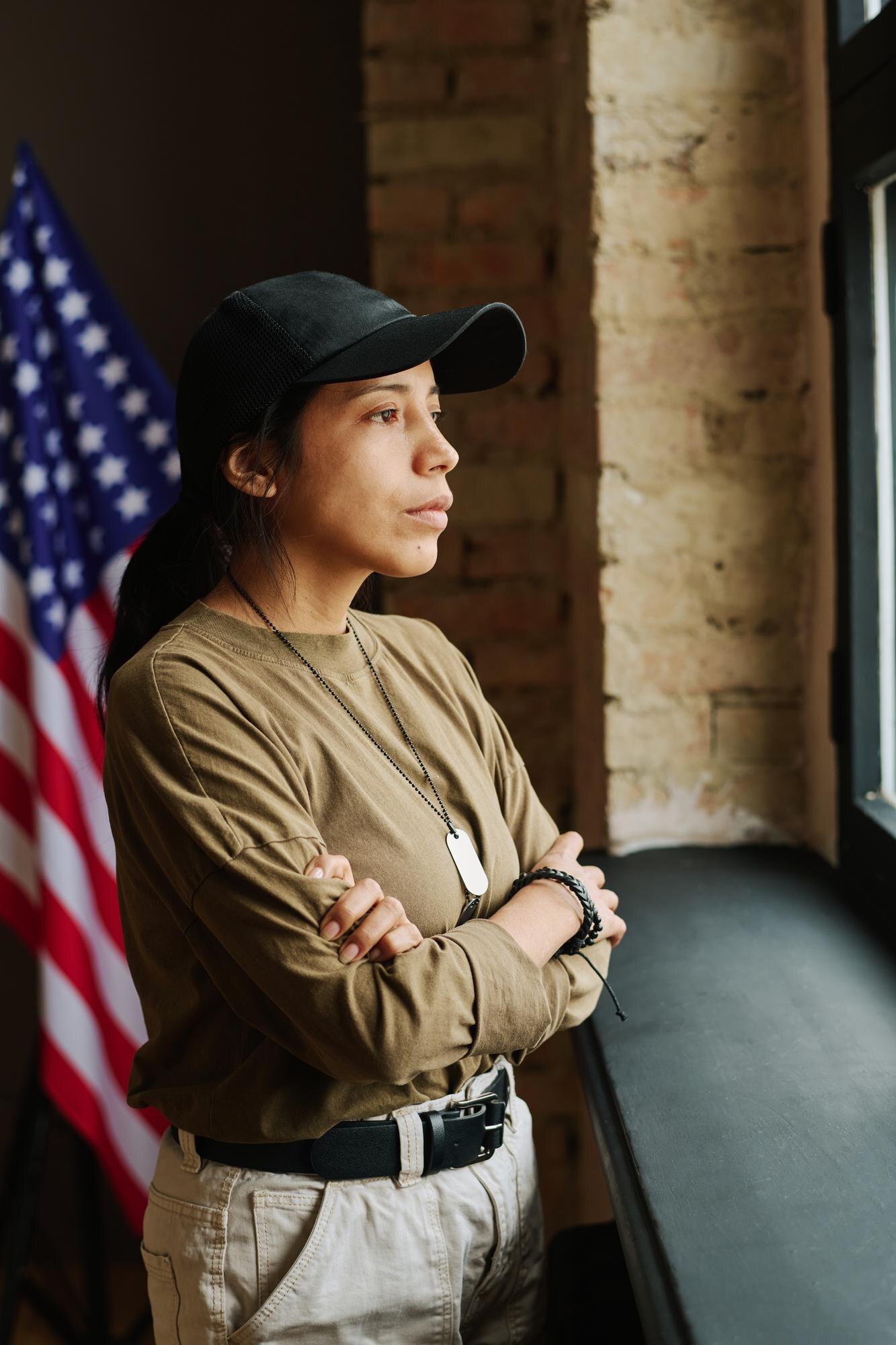
Education empowers veterans by giving them renewed purpose. Through teaching and community involvement, veterans find new ways to serve.
Veteran-Led Classroom Initiatives
Veterans bring unique perspectives to classrooms. Their firsthand experiences add depth to lessons on history and service.
-
Example: A veteran might visit a class to share stories from their service, offering students a real-world connection to what they’ve learned.
By participating in educational initiatives, veterans inspire students and continue their legacy of service.
Purposeful Missions and Reintegration
For veterans, finding purpose after service is crucial. Engaging in educational missions allows them to reintegrate into civilian life while continuing to serve.
-
Example: A veteran might lead a community service project, teaching students about leadership and teamwork.
These missions provide veterans with a sense of fulfillment and connection to their communities.
Training in STEM and History
STEM and history training offers veterans new skills and opportunities. By learning to use technology and research techniques, they contribute to the ongoing mission of remembrance.
-
Example: Veterans learn to use LiDAR and drones, participating in research-driven projects to document historical sites.
Through this training, veterans gain valuable skills while honoring their commitment to service.
Sustaining Support for Humanitarian Missions
Sustaining the mission requires ongoing support and collaboration. Through research, community outreach, and partnerships, the promise to honor our missing servicemembers continues.
Research-Driven Efforts and Technology
Research and technology are essential to the mission. Organizations use tools like archival research and advanced tech to uncover new information.
-
Example: A project might use GPR to explore historical sites, providing new insights into past conflicts.
These efforts contribute to a deeper understanding of history and advance the mission of remembrance.
Community Outreach and Partnerships
Building partnerships with schools, museums, and civic groups expands the mission’s reach. These collaborations foster shared goals and resources.
-
Example: A school district partners with a local museum to create educational programs that highlight the stories of missing servicemembers.
Through outreach and partnerships, communities become active participants in honoring our heroes.
Call to Action: Joining the Mission
The journey to remember and honor our missing heroes is ongoing. By joining the mission, you can make a difference.
-
Problem Reminder: Many servicemembers remain missing, their stories unfinished.
-
Solution Tease: You can play a role in honoring their legacy.
-
Specific Benefit: Together, we can ensure that no hero is forgotten.
Join us in this important mission. Let’s keep America’s promise alive.
Donate Today: https://fnd.us/TODCambodia?ref=sh_4CkiMc